Introduction
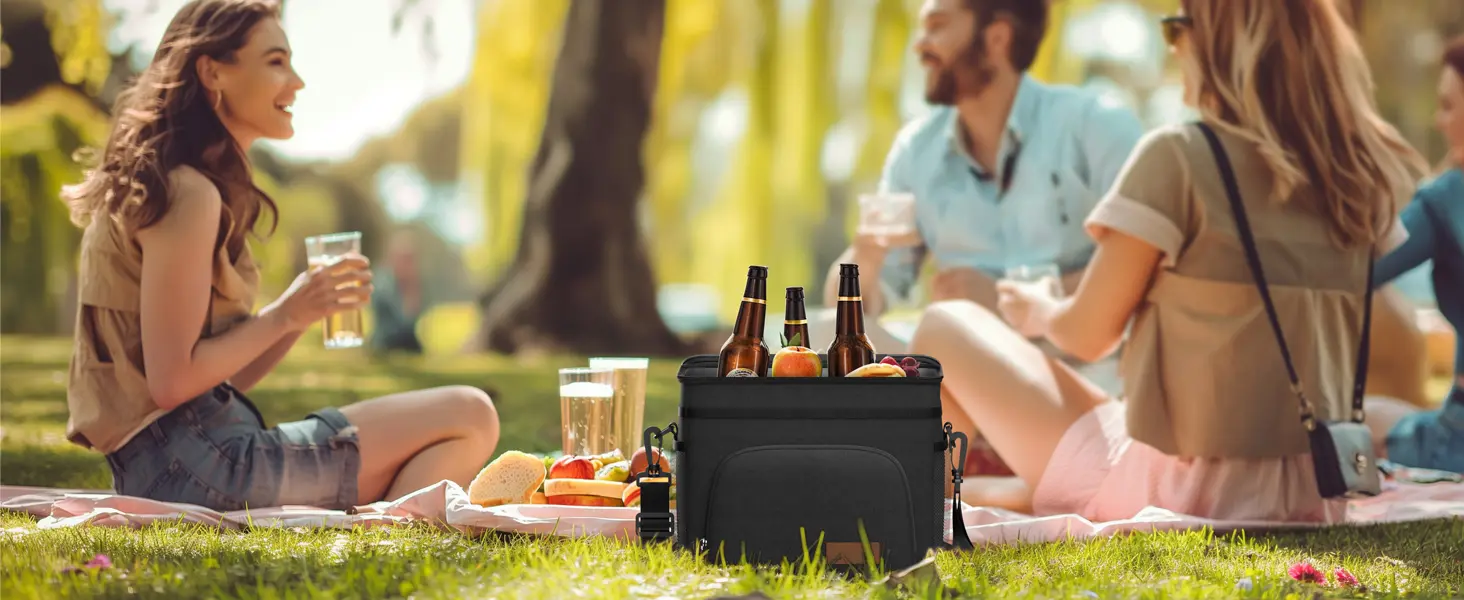
Currently, the cooler bag industry has grown significantly, and cooler bags are no longer limited to simple beverage or lunch insulation. They have gradually evolved into a more specialized and increasingly valuable sector. Additionally, the growing demand for high-performance outdoor equipment, medical cold chain solutions, and portable food preservation has further driven the development and expansion of the cooler bag industry. Innovations in material science, specifically the integration of closed-cell foam and vacuum insulation panels, alongside a systemic shift toward eco-friendly RPET and biodegradable textiles, redefine these products as lifestyle-centric thermal solutions. The diversification of product architectures—ranging from ergonomic cooler backpacks to specialized insulin and breast milk storage units—reflects a consumer shift toward niche-specific, durable, and aesthetically refined portable cooling. Strategic analysis of dominant global entities, including YETI, Igloo, and Coleman, reveals a competitive landscape defined by distinct brand positioning, manufacturing scalability, and robust intellectual property moats across soft-sided, waterproof, and collapsible categories. This article evaluates these market dynamics to provide emerging brands with evidence-based frameworks for differentiation, intellectual property protection, and niche entry within the premium and specialized medical segments. Based on these market findings, you may want to proceed with the following:
The following analysis provides a refined and expanded profile of the top 10 global cooler bag brands, synthesized through a comparative evaluation of brand equity, manufacturing innovation, and intellectual property resilience. Evaluation Methodology The selection and ranking of these market leaders are based on the following criteria: ①Market Dominance: Evaluation of historical market share and global distribution footprint. ②Technological Innovation: Assessment of proprietary insulation technologies, such as rotomolding, vacuum-sealing, and eco-friendly material integration (RPET). ③Brand Positioning: Differentiation between mass-market utility, premium lifestyle status, and specialized medical/industrial niches. ④IP Strength: The breadth and defensibility of utility and design patents in protecting core competitive advantages.
1. The Top 10 Global Cooler Bag Brands
1.1 YETI

YETI transformed from a niche solution for structural cooler failures into a high-status lifestyle brand by convincing outdoor enthusiasts that an indestructible $400 cooler is a necessary asset worth a premium price. The company’s engineering relies on rotomolded polyethylene to eliminate the joints and weak points found in mass-produced containers while pressure-injecting commercial-grade polyurethane foam creates the airtight PermaFrost insulation layer responsible for its industry-leading thermal retention. Since its 2018 IPO the brand has diversified into the high-margin drinkware sector with its Rambler series while maintaining a global supply chain that balances multi-regional manufacturing with strict quality oversight to prevent performance degradation. Market dominance is secured through a robust defensive legal strategy that combines utility and design patents with active cross-platform monitoring to aggressively eliminate counterfeit products and competing “copycat” designs.
1.2 Igloo

Igloo fundamentally changed the industry by producing the first plastic cooler in 1962 and eventually evolved from a 1947 Houston workshop into a global market leader that was acquired by Dometic in 2021 for $677 million. The brand captures the mass-market through accessible pricing in major retail chains like Walmart and Target while transitioning toward environmental responsibility with its EcoCool line made from recycled post-consumer plastic resin. Specialized designs use Cool Riser Technology to elevate the cooler base away from hot ground surfaces to slow thermal transfer and incorporate Thermecool foam which provides high-efficiency insulation without the greenhouse gas emissions associated with traditional chemical blowing agents. This strategy of high-volume accessibility and sustainable innovation allows the brand to move millions of units annually across its iconic Playmate and MaxCold product series.
1.3 Coleman

Coleman leverages a century of outdoor heritage alongside modern thermal engineering to lead the leisure market with durable cooling solutions across global retail networks. Product development centers on utilitarian efficiency through collapsible structures and antimicrobial barriers that maximize space and food safety in high-volume production. Global manufacturing scale facilitates precise cost management to keep professional-grade thermal retention affordable for family consumers.Defensive intellectual property strategies concentrate on proprietary lid architectures and insulation chemical compositions to fortify its competitive moat in the high-utility value sector.
1.4 Thermos
Commercializing the foundational Dewar flask principle established Thermos as the global benchmark for vacuum insulation technology serving high-stakes applications across premium consumer and specialized medical sectors. Engineering protocols utilize advanced double-wall vacuum layers and proprietary Thermalock seal systems capable of sustaining critical thermal integrity for biological samples and pediatric nutrition for durations exceeding twenty-four hours. Maintaining a sophisticated procurement matrix ensures the use of medical-grade stainless steel and biocompatible polymers to meet stringent international safety certifications for high-performance cold chain logistics. Robust patent portfolios safeguard unique vacuum-sealing methodologies and leak-proof lid architectures designed to eliminate caloric transfer while ensuring absolute spill reliability in mobile environments.
1.5 RTIC

RTIC utilizes direct-to-consumer infrastructure to deliver industrial-grade rotomolded cooling performance bypassing premium brand price inflation. Product designs prioritize structural resilience through impact-resistant polymer shells and heavy-duty gaskets ensuring sustained ice retention in extreme environments. Supply chain efficiency bypasses retail margins using flexible manufacturing capacity to align output with shifting e-commerce demand. Brand strategy emphasizes distinctive visual identities and trademarked silhouettes to maintain technical parity while ensuring market differentiation.
1.6 Hydro Flask

Merging high-performance TempShield vacuum insulation with vibrant lifestyle-oriented aesthetics enables Hydro Flask to redefine thermal containers as sustainable fashion accessories for the environmentally conscious demographic. Engineering utilizes lightweight Hydro Strength fabrics paired with double-wall thermal barriers to achieve superior temperature regulation within minimalist silhouettes designed for modern urban and outdoor versatility. Corporate protocols prioritize a circular economy through FSC-certified packaging and strategic partnerships with ocean conservation organizations to reduce the overall plastic footprint of the global value chain. Comprehensive trademark protection extends to signature color palettes and iconic product shapes supported by utility patents for ergonomic carry systems and specialized insulation caps.
1.7 Engel

Japanese refrigeration pioneer Engel leverages decades of AC/DC cooling expertise to secure dominance in the professional adventure market by establishing an absolute lead in high-performance rugged cooling. The brand targets industrial, marine, and medical professionals with FDA-registered equipment designed to maintain absolute cold-chain integrity for temperature-sensitive medications and high-value biological cargo. Specialized engineering integrates patented compression latches and airtight silicone gaskets into rotomolded shells tailored for extreme EMS environments requiring high vibration resistance and thermal precision. Vertical manufacturing control ensures that precision cooling components meet rigorous international medical-grade transport standards providing highly reliable specialized units to the global emergency services market. Comprehensive intellectual property protection covers core refrigeration circuitry and weight-dispersion lid systems that enable active temperature control in compact, portable formats.
1.8 Picnic Time

Picnic Time revolutionized the casual outdoor market in 1982 by introducing a diverse “Family of Brands” catering to scenarios ranging from tailgating to sophisticated garden picnics. The brand targets quality-conscious consumers with forward-looking cooling solutions that balance aesthetic elegance with practical utility for family gatherings and urban park outings. Product development prioritizes Turismo backpacks and Revival totes featuring water-resistant liners and removable heat-sealed inserts that maximize portability while ensuring leak-proof thermal protection. Long-term trust with textile and insulation suppliers maintains a competitive cost advantage during large-scale production cycles ensuring continuous penetration of varied product lines into mainstream consumer markets. Competitive strategies involve securing unique ornamental silhouette design patents and registering high-recognition pattern trademarks to visually isolate lifestyle cooling bags from traditional industrial coolers.
1.9 S’well

S’well successfully transitioned from premium hydration vessels into high-performance cooling in 2010 by deeply embedding its “GroundS’well” sustainability-as-a-service philosophy into modern thermal bag products. Brand positioning aligns with eco-conscious professionals demanding minimal environmental footprints and high thermal performance metrics within minimalist design aesthetics. Engineering utilizes 91% post-consumer recycled stainless steel and proprietary Therma-S’well triple-layered vacuum insulation to achieve exceptional temperature retention in sleek urban-ready profiles. Operational protocols emphasize a circular value chain focused on recycled materials and eco-friendly processes aiming to lead industry efforts in reducing single-use plastic reliance. The robust intellectual property moat covers iconic silhouettes and vacuum-sealing patents ensuring products remain industry benchmarks for style and high-efficiency insulation.
1.10 Coolest Cooler
Coolest Cooler pioneered the integration of lifestyle technology into the traditional ice chest market via a record-breaking 2014 crowdfunding campaign raising over $13.2 million. The brand initially targeted tech-savvy outdoor enthusiasts with “all-in-one” entertainment hubs featuring integrated Bluetooth speakers, USB charging, and built-in blenders before collapsing under financial mismanagement and logistical bottlenecks. Product architecture attempted to redefine cooler social utility by integrating complex electronics into heavy-duty cooling frames creating a multi-functional interactive device. Supply chain failures originated from severe cost estimation deviations leading to massive delivery defaults that serve as a representative risk case for the crowdfunding and outdoor gear sectors. While technical integration patents were initially noteworthy these intangible assets lost significant market influence following the company’s broader commercial insolvency.
2. Competitive Analysis: Strategic Differentiation and Market Trajectory
2.1 Performance and Price Bifurcation
The cooler bag market exhibits a stark divide between the premium “lifestyle status” model established by YETI and the “value challenger” model adopted by RTIC. YETI utilizes brand narrative and identity to build high premium barriers while RTIC eliminates middleman costs through direct-to-consumer models to offer identical rotomolded technology to the mass market. This bifurcation forces premium brands to seek breakthroughs in aesthetic ecosystems while pushing mid-market brands to enhance manufacturing craftsmanship under strict cost efficiency.
2.2 Niche Markets and Specialized Thermal Control
Rising demand for precision medical cold chains and specialized outdoor use has allowed Thermos and Engel to establish high entry barriers through FDA-certified professional thermal storage for insulin preservation and vaccine transport. These brands prioritize thermal accuracy and airtight reliability over visual aesthetics to secure stable customer loyalty in health management and emergency rescue markets.
3. Recommendations for New and Second-Tier Brands
Vertical Niche Customization Emerging brands should explore high-entry-barrier segments like medical biology and infant care by developing insulin cooler bags or breast milk storage systems meeting professional temperature standards to bypass mass-market price wars. Sustainability Technical Backing With sustainability-related searches peaking in 2026 the adoption of recycled resins, biodegradable fabrics, and circular manufacturing processes serves as critical leverage for obtaining premiums in a saturated market. Integrated Smart Temperature Systems Integrating low-power Bluetooth sensors and intelligent temperature alarm systems provides differentiated value for active health monitoring and high-end business cold chains marking the necessary evolution from hardware to digital service.
4. AIMAZING BAG: A Reliable Manufacturing Partner
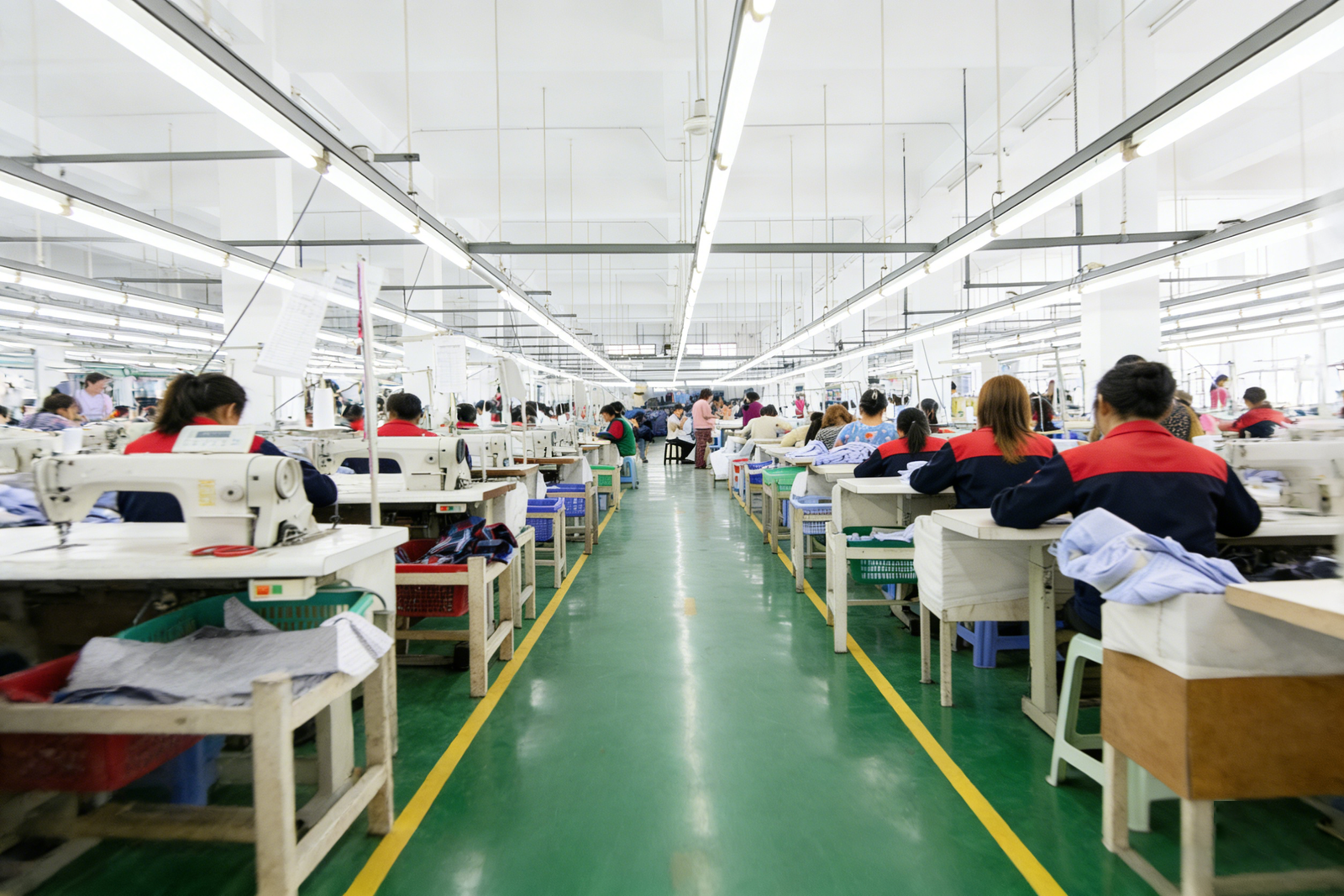
AIMAZING BAG, with over 20 years of experience in cooler bag manufacturing, offers cutting-edge production facilities and a commitment to quality. As a source factory, AIMAZING BAG provides high-quality products for emerging and established cooler bag brands. With customizations available for soft cooler bags, insulated cooler bags, and even medical cooler totes, AIMAZING BAG is the ideal partner for growing brands.
Conclusion
The cooler bag market continues to expand, driven by innovations in product design, technology, and sustainable production. Brands like YETI, RTIC, and Igloo have carved out strong market positions, but opportunities remain for emerging brands to differentiate themselves through innovation, customization, and sustainability. By partnering with reliable manufacturers like AIMAZING BAG, new and second-tier brands can produce high-quality cooler bags that cater to diverse market segments, ranging from cooler backpacks to custom cooler bags for specialized needs.