Introduction: Why Sourcing Medicine Bags Is Critical for Retail Success
Strategic procurement of the medical bag and the medicine bag represents a high-stakes decision for retailers targeting health and wellness sectors where design failures translate directly to compromised medication integrity. High-volume buyers often underestimate technical requirements leading to stagnant inventory or high return rates since modern consumers view a medical bag as a critical utility for chronic condition management rather than a discretionary accessory. Establishing authority in this niche requires deep understanding of textile durability and thermal regulation to meet the rigorous demands of global travelers and home-care patients.
Mistake #1: Treating a Medicine Box as a Medical Bag
Confusing a rigid medicine box with a versatile medical bag remains a primary inventory planning error that limits consumer mobility and functional utility. While stationary storage serves home-based organization it lacks the impact resistance and portability required for active lifestyles.
Structural Limitations of Rigid Boxes
Static storage units offer no shock absorption during transit potentially leading to glass vial breakage or tablet fragmentation. A professional medical bag utilizes multi-layered padded walls to mitigate kinetic energy and protect sensitive pharmaceutical contents.
Comparative Analysis: Box vs. Bag
| Feature | Medicine Box (Rigid) | Medical Bag (Soft-Side/Hybrid) |
| Portability | Low; lacks ergonomic handles | High; includes shoulder straps |
| Impact Resistance | Brittle; prone to cracking | Flexible; high-density foam padding |
| Storage Efficiency | Fixed volume; inefficient shapes | Expandable; accommodates various equipment |
| Weight | Heavier relative to volume | Lightweight technical textiles |
Mistake #2: Overlooking the Importance of a Properly Designed Med Bag
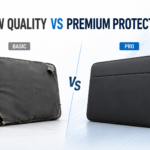
Procuring a generic pouch and labeling it a med bag or medication bag ignores the specialized engineering required for life-sustaining supplies. Professional buyers must distinguish between basic storage and performance medical carry solutions.
Anthropometric and Ergonomic Design
High-performance med bag designs integrate quick-access zippers and high-visibility interior linings to facilitate rapid content identification during high-stress medical episodes. Dark interiors in a medication bag obscure small vials and labels increasing the risk of dosage errors in low-light environments.
Material integrity and hygiene compliance status
- Antibacterial coating enhancement: The inner lining of the high quality bag has been treated with silver ion technology, effectively preventing the growth of bacteria.
- Hydrophobic Outer Shells: Waterproof surfaces protect paper-boxed medications from environmental moisture.
- Reinforced Stress Points: Load-bearing seams must withstand the weight of heavy diagnostic equipment or multiple liquid liters.
Mistake #3: Not Paying Attention to Internal Organization in Medicine Organizers
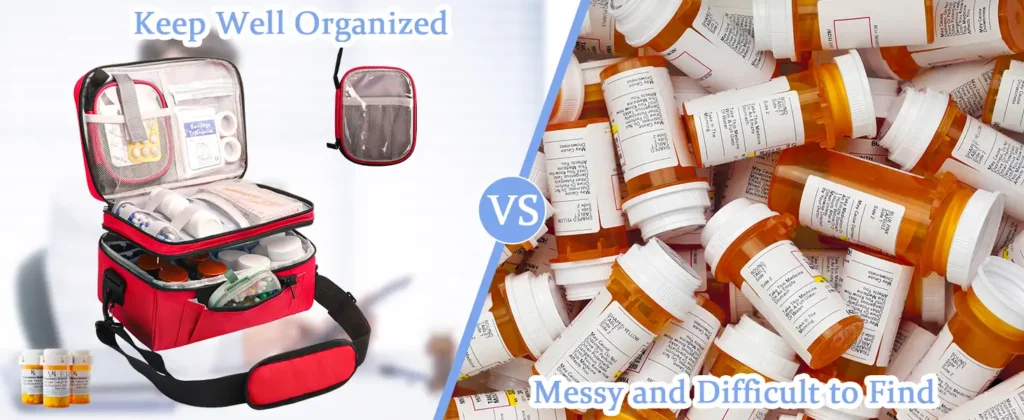
A medicine organizer or medication organizer without logical segmentation becomes a liability for the end-user. Disorganized storage leads to expired products being buried or critical emergency tools being inaccessible.
Modular Tiering Systems
Effective medicine organizer designs utilize elastic loops and transparent PVC pockets to categorize supplies by frequency of use or medical category. Retailers should source medication organizer units featuring removable modules allowing patients to carry only necessary daily dosages while leaving the primary kit at home.
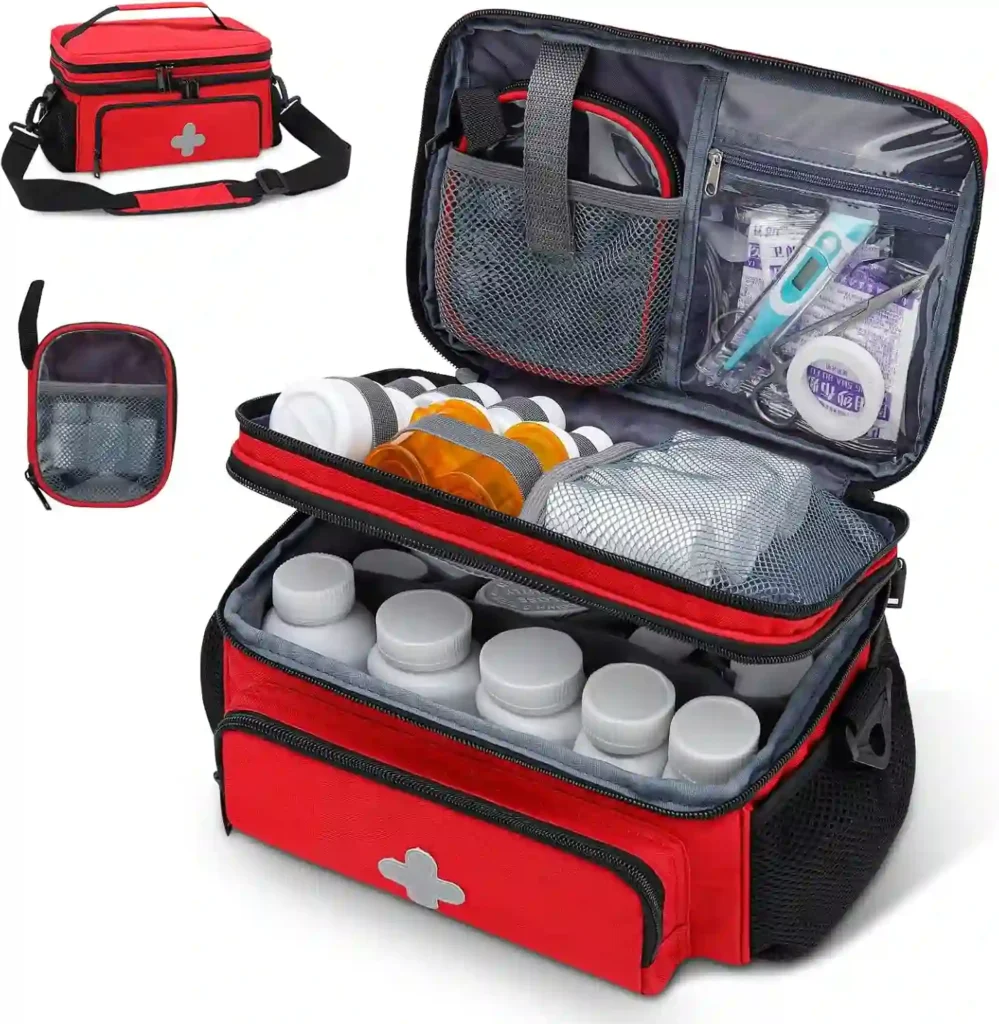
Categorization Benefits for Retailers
- Reduced Confusion: Labeled compartments guide users through complex treatment protocols to ensure medication adherence.
- Increased Value Perception: Precise internal engineering justifies premium retail price points through visible functional superiority.
- Cross-Selling Opportunities: Compartmentalized architectures encourage consumers to purchase additional modular accessories to occupy available organizational slots.
Mistake #4: Skipping Quality Checks in First Aid Bags and Kits
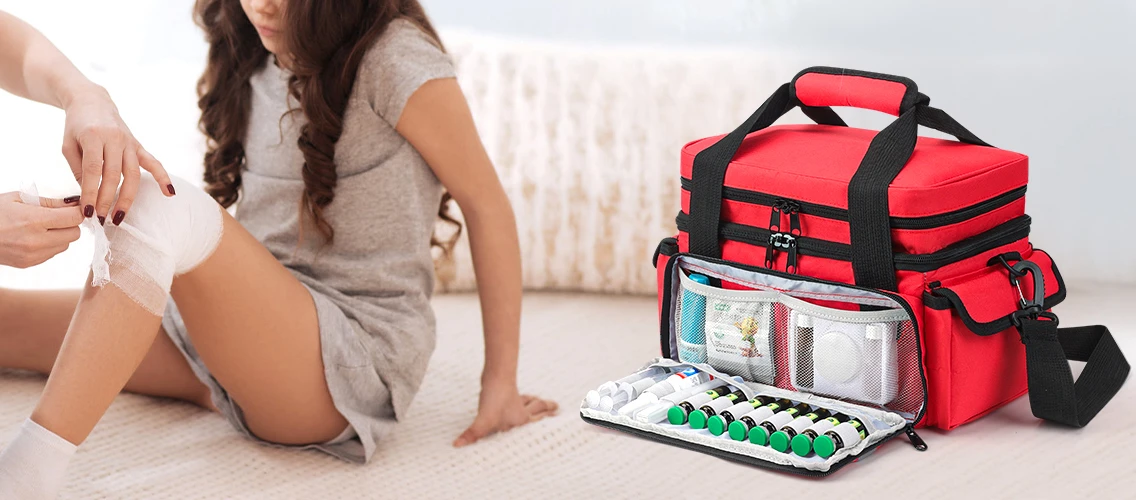
The first aid bag or first aid kit bag serves as the first line of defense in trauma situations making mechanical reliability non-negotiable. Many wholesale buyers prioritize low cost over zipper durability and seam strength leading to catastrophic failure during emergencies.
Mechanical Hardware Testing
A first aid bag must utilize self-repairing nylon coil zippers or heavy-duty YKK hardware to ensure the bag opens smoothly under pressure. A first aid kit bag jamming during a hemorrhage or allergic reaction represents a fundamental failure of the product’s life-saving purpose.
Visibility and Regulatory Compliance
- Standardized Color Coding: Sourcing red or high-visibility orange fabrics aligns with global emergency standards.
- Reflective Accents: Integrated reflective strips ensure the kit is locatable via flashlight in power outages.
- Universal Identification: Clear “First Aid” cross-branding follows ISO standards for immediate recognition.
Mistake #5: Ignoring the Versatility of a Health Kit
A health kit or medical kit bag should be marketed as a multi-functional ecosystem rather than a single-use item. Buyers often fail to recognize these products serve diverse demographics from professional athletes to geriatric home-care patients.
The All-in-One Healthcare Ecosystem
A versatile health kit accommodates diagnostic tools like blood pressure cuffs alongside daily supplements and emergency bandages. Professional medical kit bag sourcing should focus on hybrid designs bridging the gap between clinical professional use and consumer-level wellness.
Demographic Application of Health Kits
- Sports & Fitness: Specialized padding for liniments and athletic tape.
- Family Travel: Sized for pediatric medications and basic wound care.
- Occupational Health: Ruggedized versions for construction sites or industrial environments.

Mistake #6: Confusing Medicine Pouch with Full-Sized Medicine Bags
The medicine pouch or medical pouch is a supplementary tool rather than a replacement for full-sized medicine bags. Sourcing only small pouches leaves a gap in the inventory for patients with complex multi-drug regimens.
Volume and Capacity Scaling
A medicine pouch is designed for every-day-carry of immediate-need items like inhalers or epipens while full-sized medical pouch systems are required for chronic illness management involving multiple bottles and syringes.
Inventory Tiering Strategy
| Category | Recommended Usage | Key Features |
| Medicine Pouch | Daily commute / Short trips | Belt loops; slim profile |
| Medical Bag (Mid) | Weekend travel / Home storage | Divided sections; mesh pockets |
| Medical Bag (Large) | International travel / Emergency | Shoulder strap; thermal lining |
Mistake #7: Not Understanding the Functionality of Travel Pill Organizers
The travel pill organizer and medicine kit bag for transit require specific security features that standard home organizers lack. Bag buyers often overlook the need for secure locking mechanisms to prevent accidental spills in luggage.
Spill-Proof Engineering
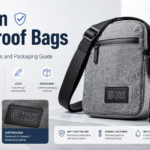
Experienced travelers tend to prefer drug storage bags with a non-medical appearance. Such bags can better protect personal privacy during security checks and are more suitable for travel scenarios. If the product is designed as a high-end, technologically advanced bag, while equipped with medical-grade internal storage and functional designs, it can significantly enhance its appeal and competitiveness in the high-end travel market.
Discretion and Security
Professional travelers prefer a medicine kit bag with a non-medical aesthetic to maintain privacy during security screenings. Sourcing designs that look like high-end tech pouches while maintaining medical-grade internal features increases consumer appeal in the luxury travel segment.
Mistake #8: Overlooking the Specific Needs of a Medicine Bag for Travel
A medicine bag for travel or travel medicine kit must withstand the rigors of flight and varying humidity levels. Standard bags often fail to protect contents from the high-pressure environment of an aircraft cargo hold.
Aviation-Ready Features
A medicine bag for travel should include a dedicated transparent sleeve for prescriptions to expedite TSA or customs inspections. Sizing must remain within standard personal-item dimensions ensuring the travel medicine kit remains with the passenger instead of being checked.
Travel-Specific Utility Points
- TSA Compliance: Transparent internal panels facilitate rapid visual inspection of liquids and gels to minimize security checkpoint friction.
- Luggage Pass-Through: Heavy-duty integrated straps secure the bag to telescopic suitcase handles to enable stable hands-free transport through terminals.
- Volumetric Efficiency: Engineered internal layouts maximize storage capacity while maintaining a slim exterior footprint for seamless integration into carry-on baggage.
- Pressure-Resistant Seals: Reinforced closures prevent container leakage caused by cabin pressure changes during long-haul flights.
Mistake #9: Underestimating the Importance of Insulin Bags and Medicine Cooler Bags
For diabetic patients an insulin bag, medicine cooler bag, or medical cooler bag represents a life-critical purchase. Sourcing low-performance thermal carriers failing to maintain the required 2°C to 8°C cold chain poses significant health risks and potential legal liability for retailers.
Thermal Insulation Science
A professional medicine cooler bag utilizes vacuum-insulated panels or multi-layered pearl cotton insulation combined with specialized gel ice packs. Retailers must ensure the medical cooler bag provides a verified cold-duration rating for 12-24 hours.
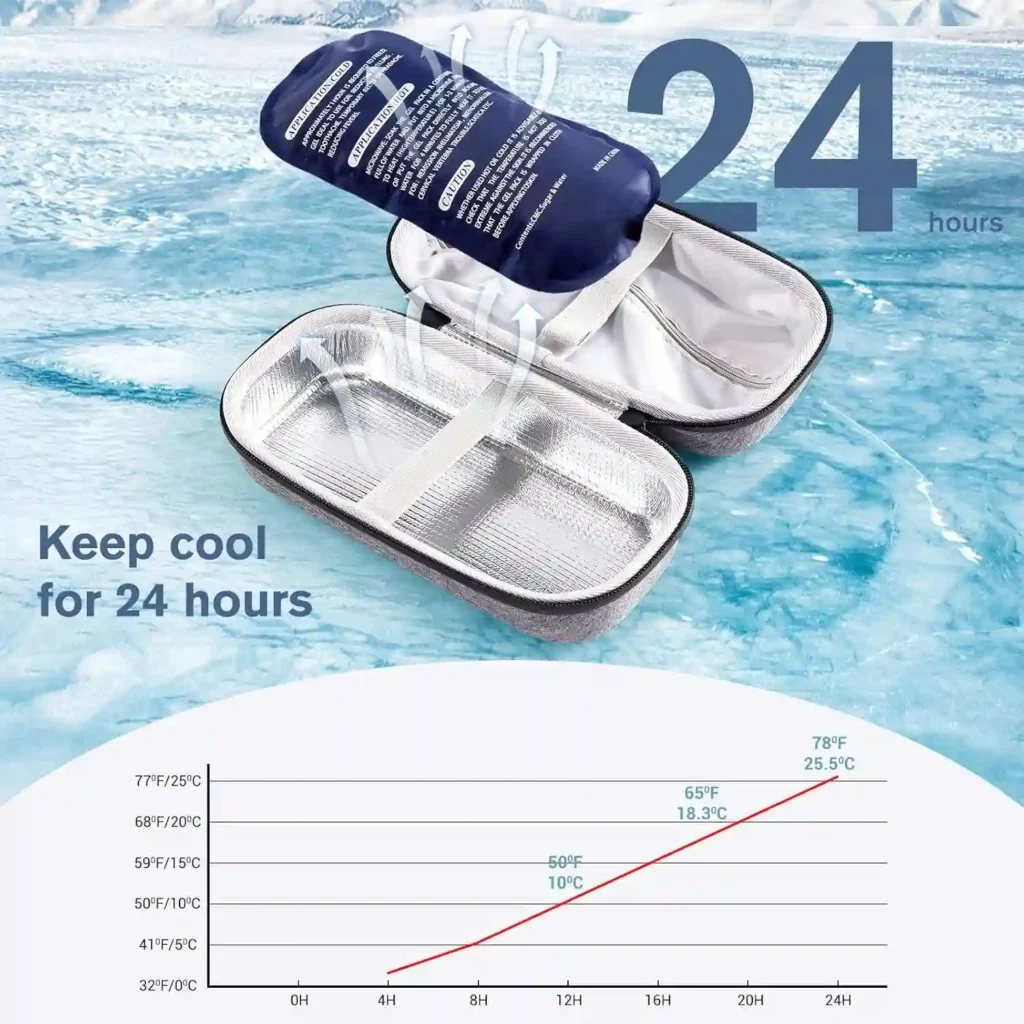
Specialized Hardware for Insulin Carry
- Ice Pack Contouring: Compartments designed to keep cold packs from directly touching insulin pens to prevent freezing.
- External Temperature Displays: Integrated thermometers for real-time monitoring of internal conditions.
- Buffer Pockets: Protection for glucose meters which can fail in extreme temperature conditions.
Mistake #10: Failing to Ensure Durability in Drug Bags and Medical Kits
The drug bag and medical kit bag represent the most frequently handled items in a patient’s inventory. Using sub-par materials leads to fraying and zipper separation within months of purchase damaging the retailer’s brand reputation.
Technical Textile Selection
Sourcing drug bag units manufactured from 600D-1680D polyester or ballistic nylon ensures long-term abrasion resistance. The medical kit bag requires cross-stitched handles and bar-tack reinforcement at all high-tension points to prevent structural failure under load.
Longevity Markers for Wholesale Buyers
- Stitch Density: High stitches-per-inch (SPI) indicates superior manufacturing quality.
- Hardware Material: Metal D-rings and swivel hooks outperform plastic alternatives in longevity.
- Lining Quality: Thick wipe-clean internal linings prevent liquid damage from reaching the outer shell.
Conclusion: How to Source the Right Medicine Bags and Avoid These Mistakes
Success in the medical carry market requires moving beyond generic storage to specialized high-performance medical bag engineering. Retailers prioritize functional organization and thermal compliance to meet the sophisticated needs of modern patients. A meticulously organized list of medicines clearly demonstrates the brand’s careful consideration for consumer safety and its strict control over operational efficiency. Avoiding common sourcing pitfalls and focusing on technical specifications allows buyers to capture the growing demand for frictionless health management solutions.