1. Introduction: Modern Wine Bag Evolution
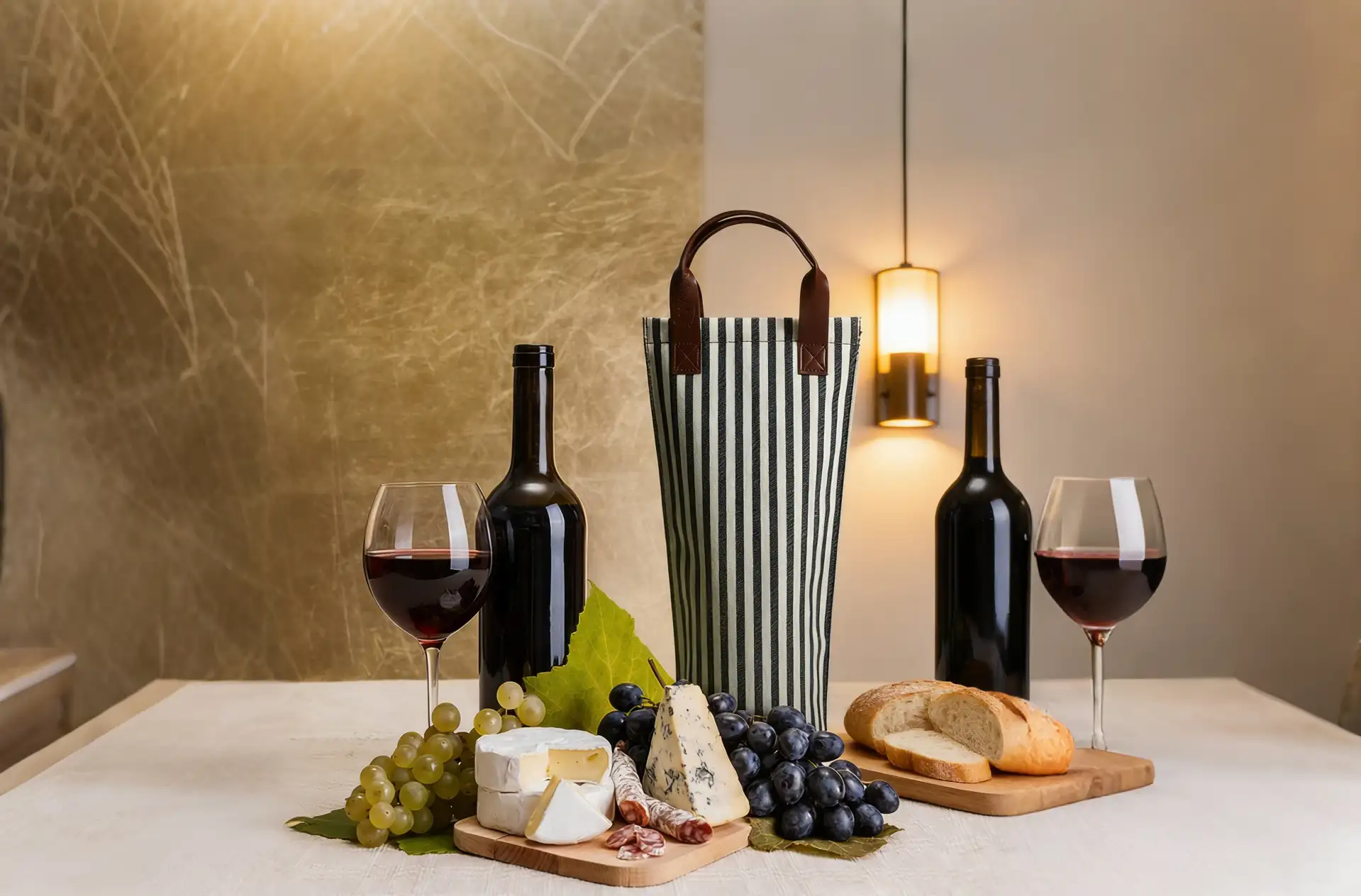
The bags of wine have long transcended their former status as mere promotional items and have evolved into exquisite retail items. With their high-value durability and aesthetic designs that align with modern lifestyles, they have redefined the new meanings of gift-giving rituals and consumption experiences. Enthusiasts who are knowledgeable about this field are increasingly considering these exclusive wine bags as essential items for portable transportation, and have also transformed them into exquisite display carriers that showcase personal style.
Shift from Packaging to Product
Market dynamics in 2026 categorize the wine bag as a lasting asset rather than secondary packaging allowing retailers to command significant premiums for designs adding tangible value to the bottle. This shift enables wineries and boutiques to establish high-margin revenue streams by transforming a utility item into a desirable lifestyle accompaniment.
Enhancing Gifting Dynamics
In this era that increasingly values the sense of ceremony and experience, the emotional resonance conveyed by high-quality gift boxes is far beyond what traditional wrapping paper can offer. This design of the bottle holder wine that can be reused allows this sentiment to continue even after the gift is given, not only continuously deepening the brand’s imprint, but also fully showcasing the giver’s sincerity and genuine care.
2. 2026 Wine Bag Market Drivers
Cultural and economic convergence fuels the rapid expansion of the wine bag industry as consumers move toward mobile experience-based consumption.
Experience-Centric Consumption
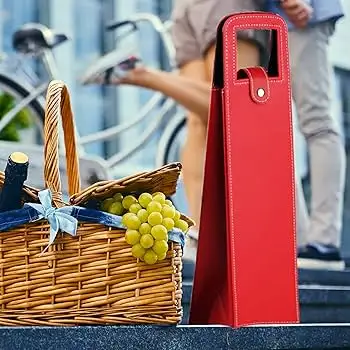
Modern lifestyles favoring picnics and outdoor gatherings necessitate robust transport solutions capable of withstanding varied environments. Standard paper alternatives fail to meet the durability requirements of active social schedules driving demand for specialized carriers that protect contents during transit.
Retail Premiumization
The broader trend of premiumization within the wine industry dictates that accessories match the caliber of the product they house. Collectors investing in high-end vintages require protective vessels reflecting the liquid’s worth to create a psychological alignment between the carrier’s quality and the product’s market value.
Visual Branding and Social Media
Aesthetic appeal dictates market success as visually striking designs serve as organic marketing tools within digital social circles. Stylish carriers function as lifestyle props allowing consumers to signal their tastes while providing brands with passive exposure through user-generated content.
3. Luxury Wine Bag Standards
High-end wine bags integrate superior craftsmanship with exclusive materials to achieve a functional equilibrium between structural durability and sensory refinement.
Artisanal Materials and Construction
High-end wine cooler bags combine exquisite craftsmanship with unique materials to achieve a functional balance between structural strength and sensory refinement.
Minimalist Design Language
High-quality wine present bags, crafted from premium full-grain top-grade leather or high-density eco-friendly sustainable materials, with edges treated by handcrafted meticulous edge-finishing techniques. Paired with high-quality metal accessories, they create a luxurious and comfortable storage experience tailored for precious wines. They stand out from ordinary models with distinct texture. Superior materials and meticulous craftsmanship ensure the structural stability for long-term use, and the superior quality also provides a delicate and comfortable skin-contact feel. Every detail showcases the exquisite style.
Specialized Protective Features
Simple outlines and understated color combinations have gradually become the current trend. Instead of obvious brand logos, the design emphasizes the architectural form of the wine bottle through magnetic closure and concealed functional compartments, thus maintaining a seamless unity of the professional appearance. This design concept reflects the broader market trend of shifting towards a low-key yet elegant and refined brand image.
4. Practical Daily Utility Designs
Practical wine bags prioritize high-performance thermal regulation and structural resilience to withstand the mechanical demands of frequent use.
Durability and Material Integrity
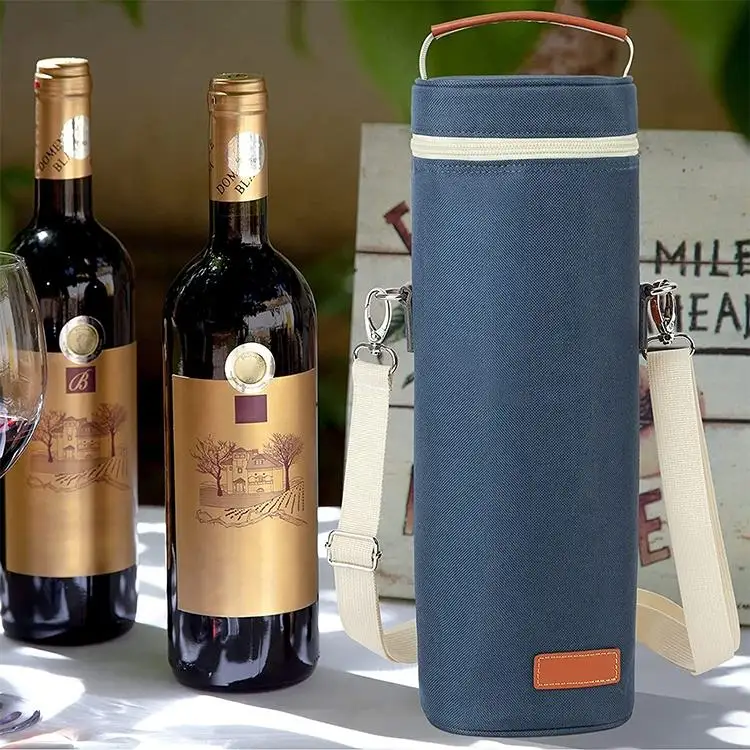
Daily carriers utilize heavy-duty canvas or ballistic nylon to endure the rigors of commuting while maintaining a rigid structural form that secures bottles within high-traffic environments or vehicle trunks. These high-strength textiles prevent sagging and external impact damage during routine transport by providing a stable protective shell for the contents.
Thermal Performance
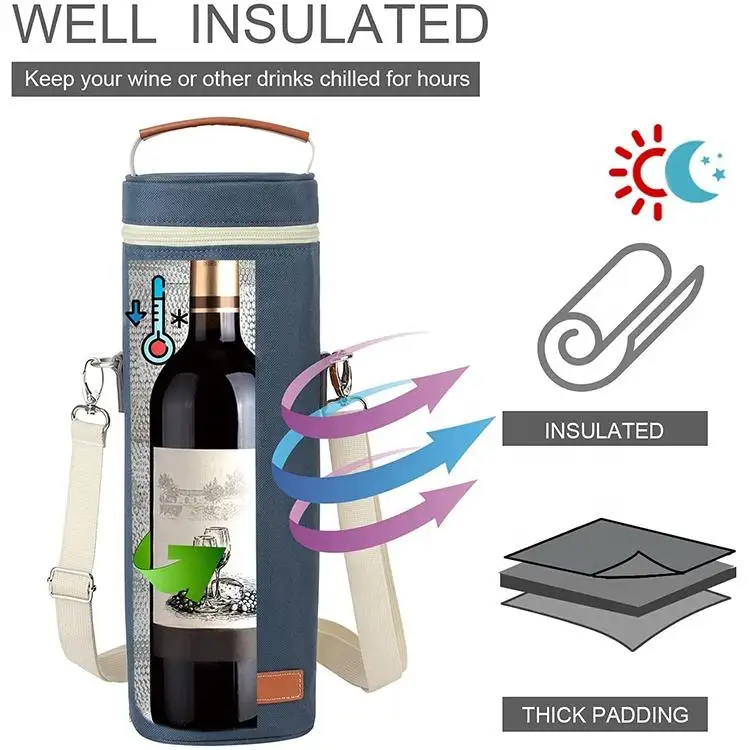
Modern designs treat advanced insulation featuring lightweight foam and reflective liners as a baseline requirement for maintaining critical cellar temperatures during transit. This thermal stability remains a decisive factor for consumers transporting white or sparkling wines highly sensitive to ambient heat fluctuations.
Ergonomic Portability
The designer optimized the weight distribution, combined with thickened shoulder straps and foldable frame, enabling this wine accessory travel wine bag to be easily folded and seamlessly stored when not in use, without taking up space. The multi-bottle version is equipped with adjustable compartments, which not only effectively prevent the bottles from colliding but also organize and compress the overall volume, making it easy to transport multiple bottles and perfectly balancing practicality and portability.
5. 2026 Manufacturing Material Trends
Material selection defines a bag’s market position by blending high-performance synthetic capabilities with organic tactile appeal.
| Material | Application | Core Attribute |
| Full-Grain Leather | Luxury/Gifting | Aesthetic longevity and prestige. |
| Neoprene | Performance/Outdoor | Impact resistance and thermal insulation. |
| Recycled Canvas | Eco-Retail | High tensile strength and branding versatility. |
| Felted Wool | Artisanal/Boutique | Natural insulation and premium texture. |
| Vegan Leather | Ethical Luxury | Modern aesthetics with a sustainable footprint. |
Technical and Synthetic Advancement
Neoprene remains dominant in the mid-range segment for its elasticity and protective cushioning although moisture-wicking and UV-resistant textiles are gaining ground. These technical fabrics offer maintenance-free durability previously exclusive to high-performance outdoor equipment.
Natural Fiber Resurgence
Artisanal markets favor heavy-duty felt and organic cotton for their tactile warmth and eco-conscious appeal. Pairing these materials with natural accents like wooden toggles reinforces a rustic premium brand identity that resonates with environmentally aware demographics.
6. Purchasing Behavior: Luxury vs. Practical
Consumer data highlights a clear distinction in purchasing intent based on the bag’s intended recipient and use case.
Gifting Preferences
Luxury models dominate gift-related transactions with over 70% of purchasers selecting premium designs to enhance the perceived value of the gesture. Visual impact and material prestige outweigh functional considerations like washability or long-term storage in these scenarios.
Personal Utility
Individual consumers prioritize practicality for their own use by favoring insulation and multi-bottle capacity for social events or wine club pickups. Many owners maintain a diverse inventory utilizing high-end leather for formal occasions while relying on neoprene for routine transport.
The “Masstige” Segment
Under the trend of consumption upgrading, the “mass luxury” category is experiencing an explosive growth wave, becoming a highly dynamic core market segment. The products of this category precisely target the demand for light luxury, integrating the aesthetic essence of luxurious design, combining exquisite craftsmanship details, high-quality material texture and fashionable styling, to create an appearance that meets the aesthetic pursuits of contemporary consumers. At the same time, it adheres to the core advantage of high performance, equipped with cutting-edge technical configurations, especially achieving breakthroughs in modern insulation technology, featuring long-lasting temperature retention, stable protection, and convenient use, truly achieving the coexistence of appearance quality and strength.
7. Scenario-Based Consumer Preferences
Market demand fluctuates based on specific environmental contexts and the intended social setting.
Outdoor and Adventure Use
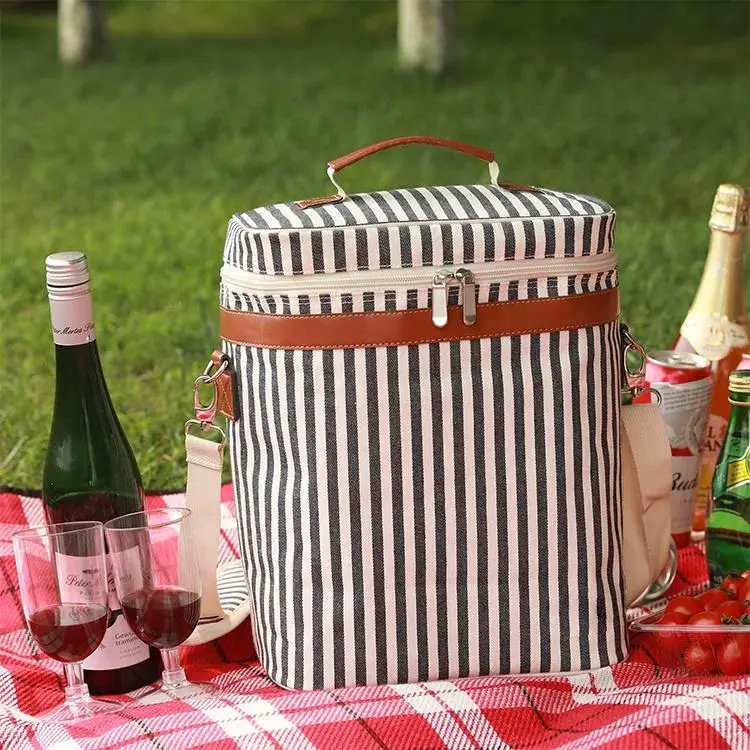
Picnic enthusiasts and travelers demand hands-free portability and rugged insulation leading to the rise of backpack-style carriers. These designs must incorporate waterproof linings and integrated storage for additional accessories like glassware.
Formal and Corporate Settings
Professional environments require discreet minimalist carriers that align with formal attire. Dark leathers and brushed metal accents provide a sophisticated means of transport that integrates seamlessly into high-end social venues.
Bulk Transport for Collectors
Wine club members and frequent buyers require heavy-duty totes capable of managing the significant weight of multiple bottles. Reinforced bases and modular dividers are essential features for this segment ensuring safe transport from retail locations to private cellars.
8. Critical Design Sales Drivers
Specific functional attributes significantly influence conversion rates at the point of sale.
Mechanical Protection
Eliminating the “clink factor” through integrated padding or shock-absorbent dividers remains a top priority for safety-conscious buyers. Protective internal structures provide the peace of mind necessary to justify the purchase of a dedicated carrier.
Thermal Integrity
The internal temperature locking function achieved through gel packaging layers or radiation barriers has become a core competitive selling point when it comes to environmental temperature fluctuations. Nowadays, consumers have regarded this heat protection feature as an essential attribute of the product, rather than an optional and unnecessary additional luxury feature.
Weight Distribution and Ergonomics
Human-centric design involving “comfort-grip” handles and wide shoulder straps determines long-term product satisfaction. A carrier fails to achieve user retention if it lacks effective weight distribution despite aesthetic appeal.
9. Retail Upselling Strategies
Customizable gift wine carry bags serve as strategic tools for increasing average order value and enhancing brand loyalty through perceived value elevation.
Product Bundling
Retailers utilize high-quality carriers to create “ready-to-gift” sets combining bottles with bags to remove purchasing friction. This strategy effectively moves mid-tier inventory by presenting it as a curated premium package.
Psychological Value Alignment
Place the packaging sets with high cost-effectiveness and excellent appearance near the cash register. This can precisely attract customers who are in a hurry to check out but also want to add a touch of packaging creativity to the products. This display strategy is particularly useful during peak holiday shopping periods. After all, at this time, consumers place greater emphasis on the convenience and efficiency of shopping.
Point-of-Sale Impulse Conversion
Strategically placing affordable attractive sleeves near checkout counters captures impulse buyers needing a final touch for their purchase. This tactic is particularly effective during peak holiday periods when shoppers prioritize convenience and speed.
10. Sustainability and Circularity Trends
Eco-consciousness has transitioned from a niche preference into a core market requirement driving a systematic shift away from single-use materials toward sustainable alternatives.
Reusability as the Baseline Standard
Modern consumers prioritize products engineered for hundreds of uses by favoring high-strength recycled PET and washable organic canvases that support zero-waste lifestyle goals through extended product longevity. These durable carriers represent a tangible environmental contribution rather than a mere secondary packaging feature.
Bio-Based Material Innovation
The new research and development achievements of mycelium leather and pineapple fibers have endowed the product with a high-grade texture. Moreover, they are fully biodegradable throughout their entire lifecycle, precisely attracting young consumers who not only pay attention to the wine-making process but also value the ecological footprint of accessories. These bio-based alternative materials not only create a high-end aesthetic texture but also completely eliminate the ecological burden of traditional synthetic materials.
Resource-Efficient Minimalist Construction
Minimalist design strategies reduce material waste through clever folding techniques and the total elimination of unnecessary plastic components to maximize structural strength while minimizing resource consumption per manufactured unit. This refined construction philosophy ensures peak functional performance through streamlined engineering.
11. Customization and Brand Identity
Customized carriers transform standard utility items into enduring marketing assets that reinforce brand presence within the domestic environment long after the initial purchase.
Strengthening Brand Recall
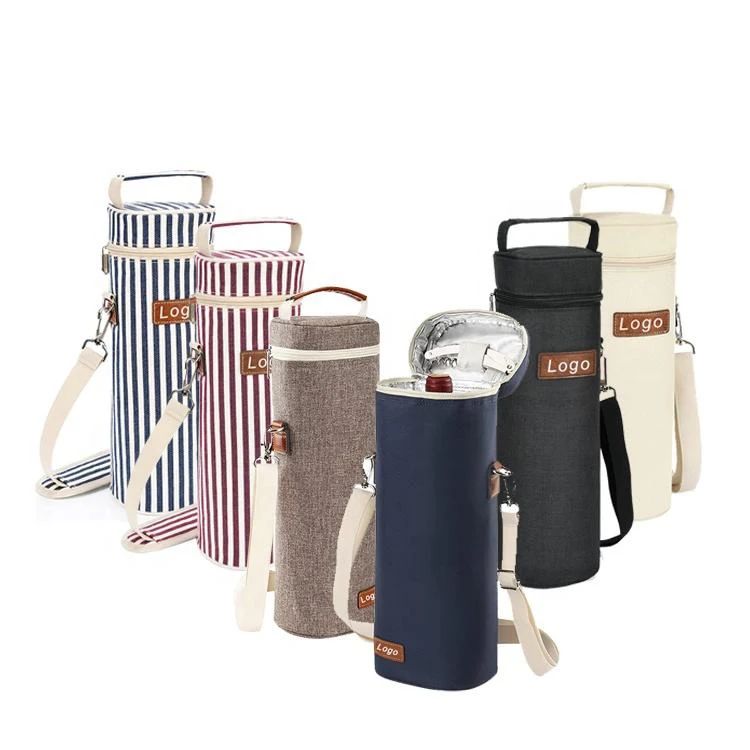
Custom-branded bags act as mobile advertisements maintaining visibility through high-quality debossing or screen printing that ensures the brand remains associated with the consumer’s positive social experiences. This persistent exposure converts a simple carrier into a long-term promotional tool.
Personalization Services
Retailers offering on-site monogramming or custom tags capitalize on the growing demand for unique one-of-a-kind gifts to increase product margins while fostering deeper emotional connections between the buyer and the brand. Personalized details elevate an item’s perceived exclusivity far beyond its basic functional purpose.
Exclusive Membership Incentives
Wine clubs utilize high-end proprietary carriers as enrollment rewards to build community and prestige among loyal subscribers. These specialized accessories function as physical badges of loyalty that encourage long-term retention through unique member-only benefits.
12. Conclusion: Balancing Aesthetics and Utility
The 2026 wine tote market demands a sophisticated understanding of diverse consumer motivations balancing technical preservation requirements with emotional desires for status and style. Success hinges on delivering versatile products capable of bridging the gap between high-end luxury craftsmanship and rugged daily performance through integrated engineering. Brands successfully combining sustainable materials with ergonomic design and strategic customization will define the future of this essential lifestyle accessory.