1. The Safety Illusion: Why 2026 B2B Buyers are Moving Away from “Cheap Defense”
1.1 The Lifecycle Trap: Why “Market-Ready” Bags Break Down After 50 Cycles
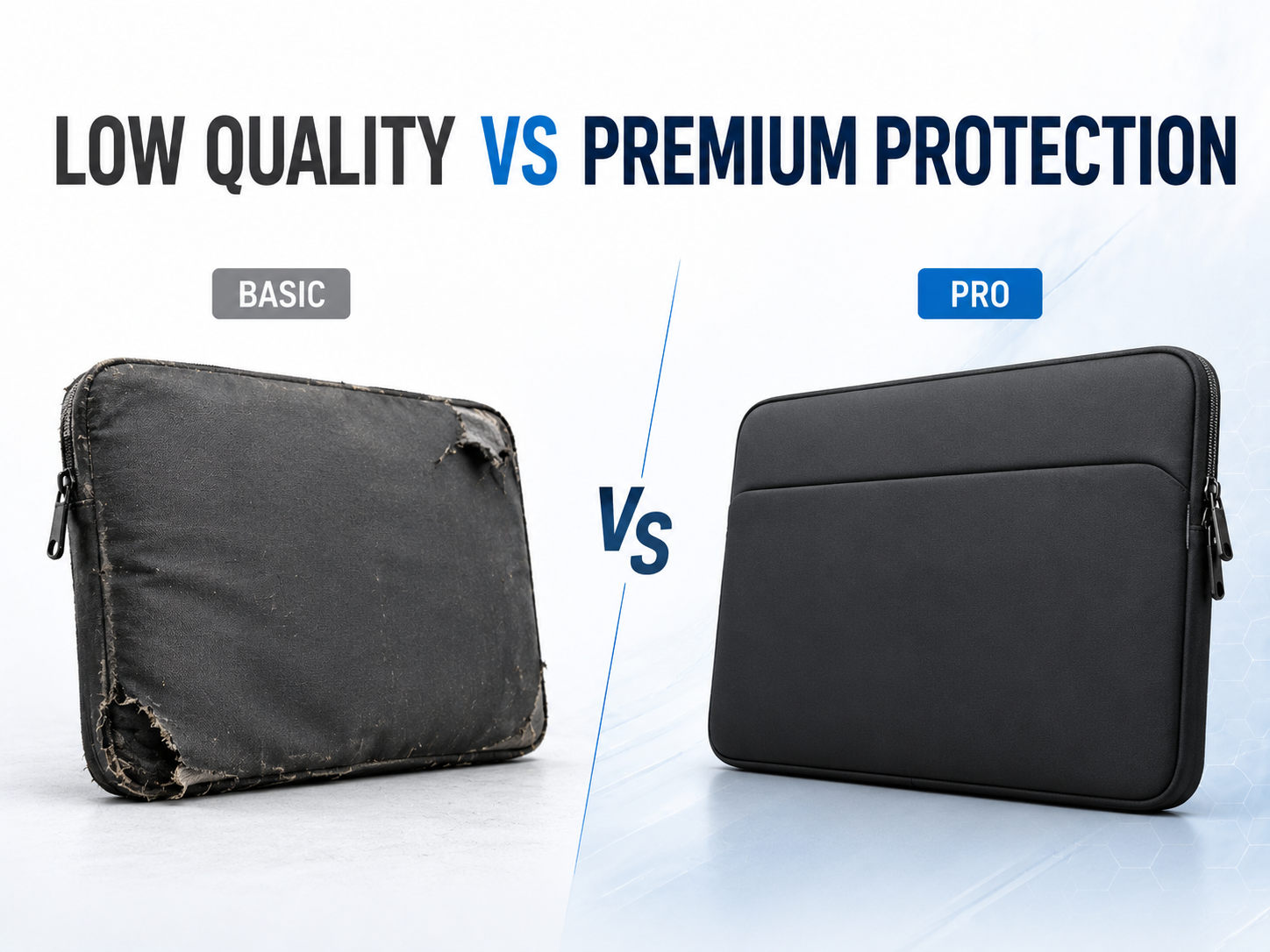
The contemporary physical protection and security carryall market faces an unprecedented crisis of hidden material degradation. Volume purchasing agents frequently fall into the trap of sourcing low-cost bags that perform adequately during superficial trade show demonstrations but experience rapid breakdown under real-world operational stress. These low-tier products typically exhibit catastrophic structural failure after fewer than 50 standard usage cycles because their synthetic surfaces lack basic tensile memory and rub-abrasion resistance. When private label brands distribute these unverified inventory lines, the initial capital savings are quickly wiped out by an influx of consumer returns, destroying retail profit margins and eroding brand equity across digital marketplaces.
1.2 Defining the Real Safety Bag: From Marketing Label to Engineering Certification
Earning a premium price position in today’s competitive landscape requires a complete shift from unsubstantiated marketing phrases to verified, laboratory-certified materials science. A genuine security enclosure cannot be defined by cheap product labels or simple aesthetic choices.
- The Structural Shift: True protection requires an integrated system engineered to withstand specific, measurable physical forces, including dynamic blade cuts, seam tension, and moisture oxidation.
- B2B Sourcing Security: Direct factory collaboration with a veteran manufacturer allows international sourcing directors to move past basic commercial talk and demand documented ANSI/EN388 compliance certifications, safeguarding their supply chains against hidden performance failures.
2. Material Deception: The Truth About “Coated” vs. “Woven” Anti-Cut Layers
2.1 The Coating Myth: Why Chemical Hardening Fails After the First Wash
Cheap anti-cut bags fail because they rely on chemical spray-coatings rather than structural fiber weaving. A certified safety bag requires a multi-layered matrix of UHMWPE fibers and bonded aramid stitching to maintain structural integrity under real-world blade-shear stress and repeated folding, preventing the 'flaking' failure seen in low-tier alternatives.Low-tier workshops cut manufacturing costs by treating low-density polyester fabrics with cheap chemical resin sprays to simulate the stiffness of technical textiles. This superficial coating creates a false sense of security during initial touch inspections, but it completely shatters and peels away after minimal exposure to daily friction or laundry cycles. Once this rigid chemical layer breaks down, the underlying low-denier cloth is left fully exposed, offering zero resistance to the concentrated shear stress of a street pickpocket’s utility blade.
2.2 Structural Weaving: The Difference Between UHMWPE Fiber and Cheap Glass-Fiber Fillers
Building an impenetrable physical defense requires an analytical approach to macromolecular polymer selection. Unverified suppliers often use cheap glass-fiber fillers that become brittle and fracture under regular use, creating microscopic gaps in protection.
Chemical Coated Fabric ──> Brittle Resin Layer Flakes Away ──> Immediate Structural Failure
Woven UHMWPE Textile   ──> Interlocking Parallel Chains     ──> Disperses Shear Energy Laterally
Premium manufacturing utilizes an advanced woven matrix of ultra-high-molecular-weight polyethylene (UHMWPE) fibers. This high-performance material consists of unbranched, parallel linear polymer chains that distribute incoming kinetic energy across the entire length of the yarn axis, quickly dulling sharp blade edges and providing reliable cut defense.
3. The Stitching Catastrophe: How Thread Fatigue Destroys Your Safety Lock Bag
3.1 The Needle-Hole Fissure: Why Poor Stitching Turns Fabric into Perforated Paper
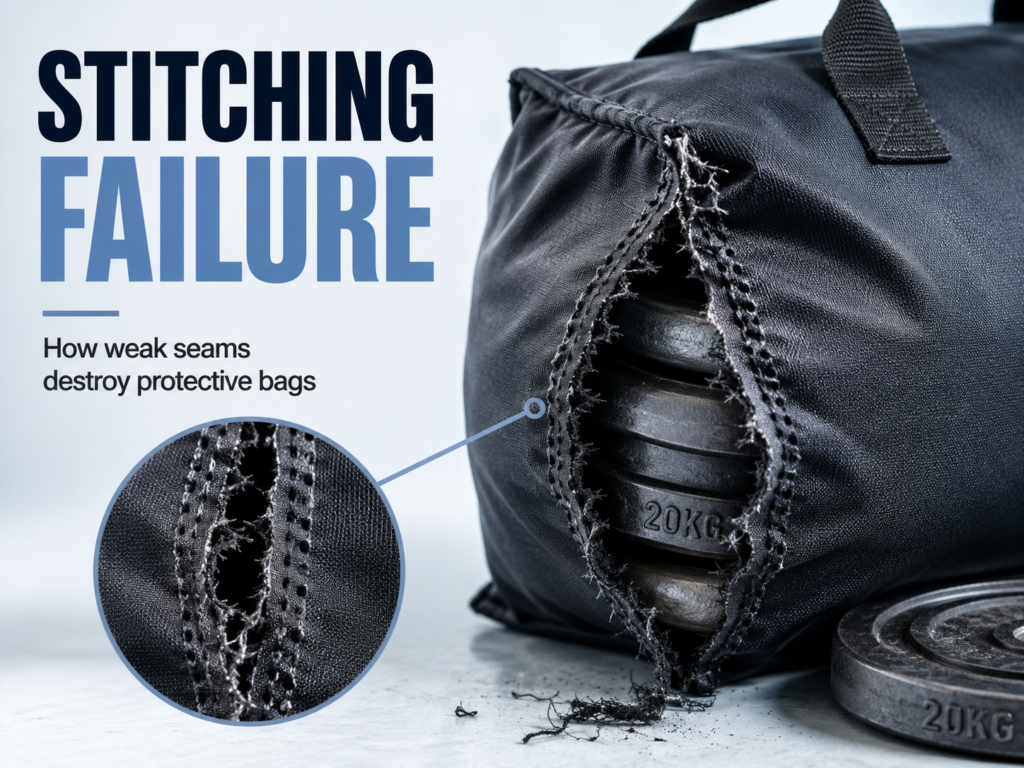
The absolute verification of a premium safety lock bag depends heavily on the execution of its structural seams under heavy weight. When a standard industrial sewing machine drives a generic steel needle through tough protective fabric, it can create thousands of micro-perforations along the stitch line. In low-tier factories with poor process control, these close needle holes function exactly like the perforated edge of a sheet of notebook paper. When the bag is loaded with heavy gear or subjected to sudden movement, the fabric splits wide open along this weakened line, completely bypassing the cut-proof qualities of the face panels.
3.2 Thread Integrity: Why Aimazing Bag Replaces Polyester with Bonded Aramid (Kevlar)
Our advanced production facility eliminates this hidden structural defect by optimizing needle geometries and upgrading thread materials across our entire functional inventory.
Standard Single Weave ──> Loose interlock allows yarn shift ──> Gaps split wide open under load
High-Density Lock Stitch ──> Combined with Aramid Thread     ──> Continuous level 5 Seam Integrity
We completely replace standard spun polyester sewing threads with premium, high-tensile bonded aramid (Kevlar) threading. This heavy-duty technical thread resists friction shearing and handles extreme thermal and mechanical loads cleanly, ensuring that your safety lock bag retail collections maintain their structural seam integrity without tearing or fraying under prolonged use.
4. The Strap Paradox: Why Every Safety Bag Fails at the Anchor Point
4.1 Stress Concentration: The Physics of Ripping at the Strap-Body Junction
The shoulder strap assembly represents the single highest failure point targeted during swift urban snatch-and-grab thefts, making the joint connection a critical area for structural engineering. When an end-user loads a safety bag with heavy personal gear, the entire dynamic weight creates an intense concentration of force exactly where the flexible webbing strap meets the rigid body panel. Standard single-needle back-tack stitching patterns cannot distribute this localized pull stress evenly, causing the soft assembly threads to stretch, loosen, and pull cleanly out of the fabric matrix under sudden force.
4.2 Reinforcement Science: The Role of Bartack Stitching in High-Tensile Security Gear
Ordinary bags use a primitive back-tack at load points, which quickly unravels under dynamic tension. Our custom security gear utilizes computerized heavy-duty bartack reinforcement, sewing complex, dense cross-stitch patterns that allow the joint connection to handle over 50kg of vertical tension without structural failure.
Our automated assembly line solves this mechanical vulnerability by using high-torque computerized bartacking machinery across all load-bearing connections. This advanced equipment applies tight, multi-layered cross-stitch patterns that distribute stress forces evenly across the fabric face, ensuring the shoulder straps stay securely anchored to the main body during violent daily use or sudden dynamic pulls.
5. Under-the-Radar Failures: Humidity, Oxidation, and Material Degradation
5.1 The Metal Fatigue: Why Low-Grade Steel Mesh Breaks After 500 Folds
The single greatest hidden danger within the physical protection luggage sector is environmental degradation caused by poor material selection. Low-tier workshops often place cheap, low-grade iron or carbon steel wires inside their panels to advertise internal cut protection. These low-grade metals have very low resistance to mechanical fatigue; after fewer than 500 continuous folding and creasing cycles during normal travel use, the internal wires develop permanent micro-cracks and snap, turning into sharp metal shards that can slash through the interior lining fabric and scratch your consumer’s gear.
5.2 Electrolytic Corrosion: Protecting the Bag Protective Layers from Seawater and Salt Air
Long-term product survival during international travel requires absolute immunity to environmental humidity and salt air oxidation.
- The Steel Mesh Vulnerability: Ambient humidity and human sweat inevitably penetrate unprotected outer fabrics, trapping moisture inside the panel layers. This triggers rapid electrolytic corrosion, turning low-grade steel brittle and rendering its cut resistance useless.
- The UHMWPE Superiority: Woven UHMWPE fibers exhibit zero moisture absorption and complete chemical immunity to saltwater and sand abrasion, ensuring permanent anti-slash performance across your entire bag protective lifecycle.
6. Electronic Vulnerability: Why Modern Protective Bag Designs Need More Than Just Mesh
6.1 EMP Shielding Gaps: Why Unsealed Seams Let Electro-Magnetic Pulses Penetrate
Developing a premium, multi-functional protective bag requires an engineering approach that goes far beyond basic physical cut protection to address electronic threats. Many factories claim full wireless security while assembling their interiors with standard linear stitched seams. In high-frequency electronic environments, these uninsulated needle punctures function as tiny slot antennas, allowing high-altitude electromagnetic pulses (EMP) and wireless tracking pings to pass through the gaps and access internal devices. True protection requires a continuous conductive barrier to maintain full signal isolation.
6.2 The ESD Fail: Understanding Why Vacuum ESD Bags Protective Electronics Require Specific Surface Resistivity
Protecting sensitive corporate hardware, electronic parts, and personal communication assets requires a strict focus on managing surface resistivity metrics.
| Packaging Class Type | Core Material Formulation | Surface Resistivity Range | Primary Electro-Static Function |
| Standard Low-Tier | Raw un-plated synthetic weave | >10¹² Ω/sq | Insulating layer (Accumulates static charge friction) |
| Anti-Static Pouch | Topical antistatic chemical spray | 10¹⁰ to 10¹² Ω/sq | Dissipates light surface charges slowly |
| Aimazing Tech Spec | Vacuum ESD woven metal fiber | 10⁵ to 10⁹ Ω/sq | Certified dissipative shield (Absolute ESD block) |
Standard commercial fabrics create static friction charges during travel that can damage internal circuit boards. Sourcing high-grade vacuum esd bags protective electronics lines ensures your product catalog delivers a stable, dissipative environment that grounds static electricity safely, shielding high-value assets from electronic damage.
7. Hardware Engineering: The Security Failure of Cheap Passport Safety Bag Zippers
7.1 Zipper Deflection: How Amateur Hardware Allows Blade Penetration
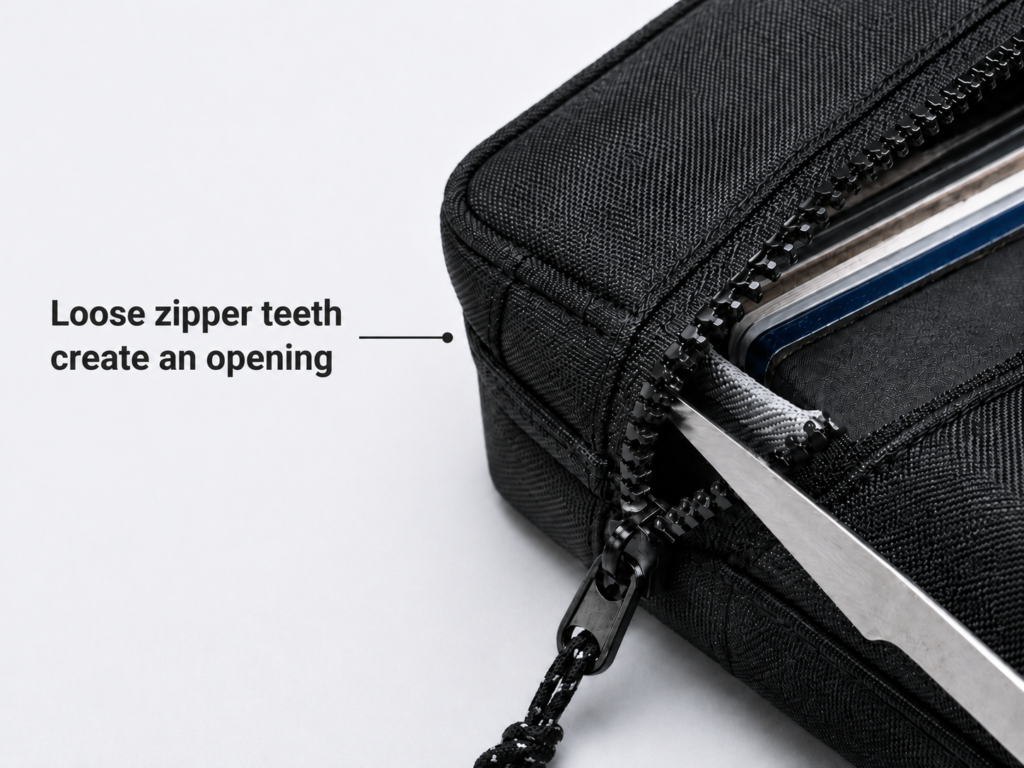
The main closure line is the primary target for pickpockets, making zipper engineering a vital element of professional product design. Entry-level passport safety bag lines typically use cheap plastic zippers with loose nylon teeth that easily twist and separate when the bag is filled to capacity. This mechanical opening creates a vulnerability called zipper deflection, where a thief can press a sharp blade or tool between the loose teeth to open the compartment instantly, rendering the expensive cut-proof fabric surrounding the track completely useless.
7.2 Terminal Gaskets: The Forgotten Seal That Keeps Your Phone Safety Bag Secure
- The Zipper End Gap: Standard zippers leave a tiny opening at the final millimeter of the closure track where the slider rests, creating a direct path for moisture and dust.
- Molded Terminal Garages: Our advanced production lines eliminate this hidden leak point by building a molded rubber terminal gasket directly into the closure zone of every phone safety bag.
- Absolute Close Continuity: When the zipper slider is pulled fully into this rubber pocket, the end gap is sealed completely, forming an airtight barrier that protects internal smartphones and documents from both severe weather and remote tracking devices.
8. Industry Standards: Testing the Best Anti Theft Crossbody Bag with RFID Protection
8.1 Lab Benchmarking: Passing ANSI/EN388 Levels vs. Cheap Factory “Knife Tests”
To successfully capture a dominant position in the premium retail security sector, procurement managers must look past basic supplier “knife tests” and demand verified, laboratory-certified performance data. Low-tier workshops often display unverified marketing videos showing a blade failing to cut a fabric sample, but they hide the real performance data under mechanical stress. Delivering the best anti theft crossbody bag with rfid protection requires documented third-party laboratory test reports validating genuine ANSI Cut Level A4 and EN388 mechanical cut certifications to prove your product catalog can withstand professional cutting tools.
8.2 The Certification Audit: Why Your Supplier Must Provide Spectral Analyzer Reports
Sourcing high-volume electronic defense gear requires strict adherence to global compliance and quality testing standards.
- Objective Verification: Our production facility subjects every material batch to independent laboratory verification using advanced spectral analyzers to measure wave attenuation.
- B2B Contract Wins: Holding these verified test reports allows your brand to compete for high-value procurement contracts with corporate security firms and government fleets, maximizing your market reach.
- Frictionless Port Customs: Certified documentation protects your supply chain from costly customs delays or quality disputes at international ports of entry, ensuring a reliable delivery schedule.
9. Designing for Reality: The Money Safety Bag Lifecycle
9.1 Impact-Resistant Padding: Protecting High-Value Assets from Drop-Damage
A professional-grade money safety bag must protect internal assets from multiple threats simultaneously, ensuring physical shock absorption alongside raw anti-slash defense. Our heavy-duty cash-handling enclosures incorporate thick, open-cell EVA foam padding directly inside the compartment walls. This protective cushioning layer dampens physical drop impacts and isolates internal assets from travel vibration, while high-density internal stabilization frames prevent the bag from sagging or distorting under heavy volumetric load.
9.2 Ergonomic Security: Why Professionals Prefer Bag Safety Designs that Don’t Scream “Tactical”
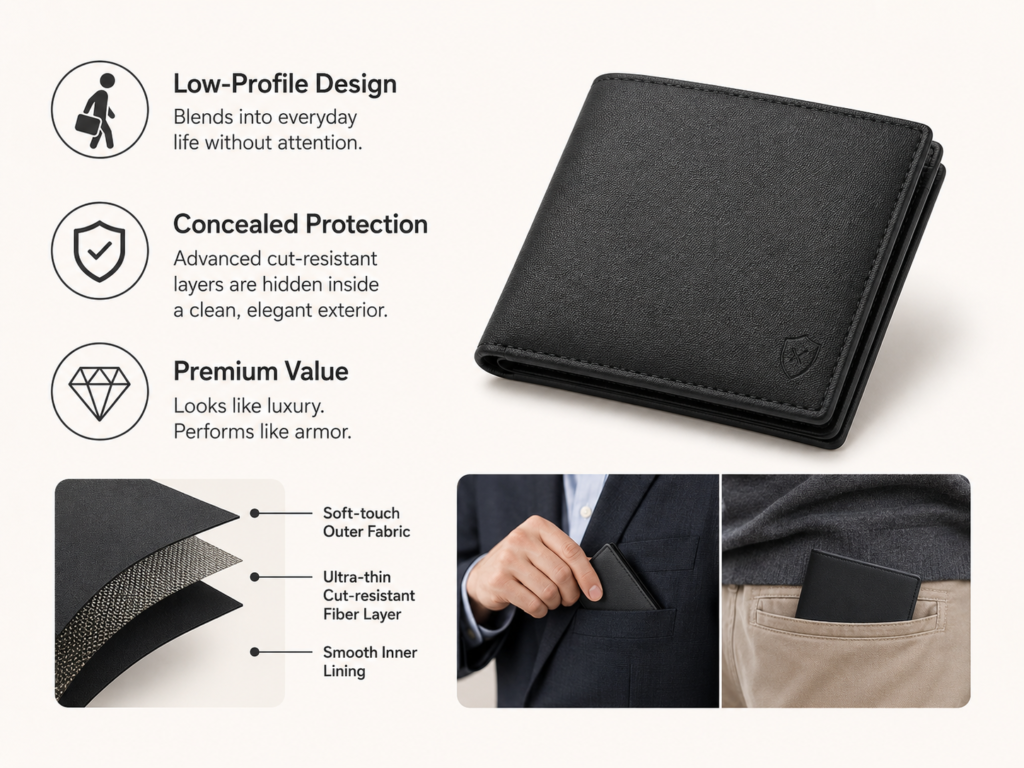
The modern corporate and institutional security sectors demand a design approach focused on quiet protection, hiding advanced safety features behind a clean, professional aesthetic.
- Aesthetic Discretion: High-end clients reject loud, military-style tactical packs that attract unwanted attention in public spaces.
- Concealed Armor: We weave ultra-thin polymer fibers into soft-touch face textiles, allowing brands to offer elegant bag safety options that blend into an everyday wardrobe.
- High-Margin Value: When a product looks like an elegant luxury fashion piece but performs like a high-tech armor shield, it commands a premium retail price, helping your brand secure high net profits.
10. Niche & Tactical Sourcing: From Safety Bags to Specialized Logistics
10.1 Asset Protection: Customizing Safety Bags for High-Volume Cash-in-Transit (CIT)
Large-scale banking logistics, retail chains, and government agencies require specialized, high-capacity safety bags to manage high-volume secure transport. Sourcing these high-security transport enclosures requires a production partner who can handle custom hardware integration on a large scale. Our industrial-grade CIT storage units feature reinforced internal shelving frames and lockable zipper tracks that accept single-use digital logging tags, ensuring that your custom product catalog complies perfectly with international security mandates.
10.2 Versatile Defense: The Rise of Mojo Bag for Protection Styles in High-End Streetwear
The rapid growth of the functional utility aesthetic has integrated technical security features directly into the high-end streetwear and premium lifestyle accessory markets.
- The Hybrid Trend: High-end fashion brands are launching specialized product lines, like the mojo bag for protection style, to blend street style with certified safety functionality.
- Bespoke Customization: We offer deep structural customization, including laser-etched metal hardware, custom jacquard linings, and high-frequency 3D silicone logo debossing.
- Maximizing Net Profits: This ability to combine fashion-forward styling with industrial-grade material defense allows premium technical brands to capture high-net-worth consumer demographics and achieve exceptional retail margins.
11. Factory Audits: Identifying a Professional OEM Safety Bag Manufacturer
11.1 The Equipment Test: Does Your Supplier Own Specialized Ultrasonic Welding Lines?
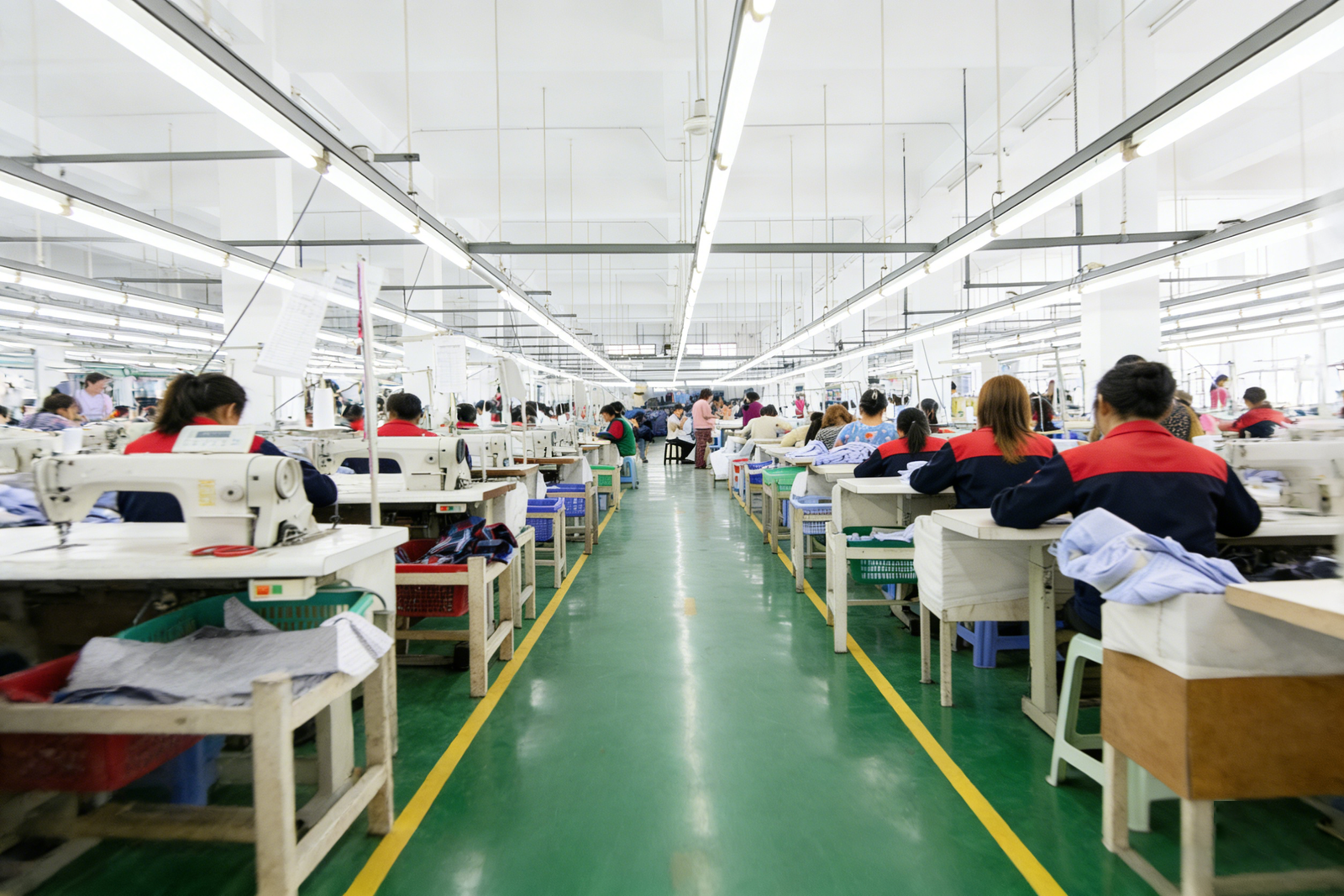
The mechanical strength of modern anti-slash fibers like UHMWPE and para-aramids turns the standard sewing line into a difficult manufacturing environment. Standard industrial sewing machines lack the motor torque and needle hardness to pierce dense polymer matrices cleanly, leading to skipped stitches and uneven seams. An authentic, professional safety bag factory must display specialized high-torque machinery, automated laser cutting beds, and advanced high-frequency ultrasonic welding lines to process heavy technical fabrics cleanly without compromising material integrity.
11.2 The “Pull-Test” Audit: Why We Perform 50kg Stress Tests on Every Batch
Our advanced manufacturing facility operates under a strict three-tier quality control framework (IQC, IPQC, FQC) to maintain a zero-defect rate across large-scale orders.
[Raw Material IQC Check] ──> [In-Process IPQC Alignment] ──> [50kg Pneumatic Pull Challenge] ──> Certified Quality Bulk OrderDuring the quality assurance phase, our automated testing beds subject random product samples from every production lot to a rigorous 50kg pneumatic pull stress test. We stretch and pull the primary handle mounts, seams, and strap junctions to ensure the mechanical connections stay completely intact under tension, providing B2B buyers with verified data sheets that protect your supply chain from hidden manufacturing defects before final container shipment.
12. Conclusion: Engineering the Future of Defensive Carry
12.1 The Procurement Matrix: How to Choose Resilience Over Price
Before finalizing your upcoming custom technical bag procurement order, run your production samples through this technical quality validation matrix:
- Is the material core certified? Demand independent laboratory test reports validating continuous ANSI Cut Level A4 performance; do not accept cheap alternative spray coatings.
- Is the stitching thread high-tensile aramid? Verify that the factory utilizes genuine Kevlar threading rather than cheap spun polyester to prevent seam failure under intense heat.
- Are the load anchors reinforced? Confirm that all handle and strap attachments utilize computerized bartack stitching patterns to distribute weight evenly.
- Is a water-resistant closure integrated? Confirm the design uses an inverted nylon coil zipper track paired with a molded rubber terminal gasket to block moisture and dust entry.
- Are cross-functional security layers integrated? Upgrade your product value by adding hidden RFID/Faraday shielding layers or waterproof TPU laminations beneath the anti-slash panels.
12.2 Partner with Aimazing Bag: Scale Your Brand with Lab-Tested Solutions
In today’s highly competitive international carry-goods market, your production partner must be more than just an assembly workshop; they must act as your supply chain guardian and quality assurance expert. Partnering with a proactive, 26-year veteran factory like Aimazing Bag ensures your inventory is protected against material fraud and manufacturing flaws from day one. Our engineering team is ready to transform your custom tech packs and sketches into a high-margin, market-ready travel collection that sets the global benchmark for security and durability. Contact our technical design team today to review our functional material options, request certified sample prototypes, and secure your profit margins for the upcoming retail season.