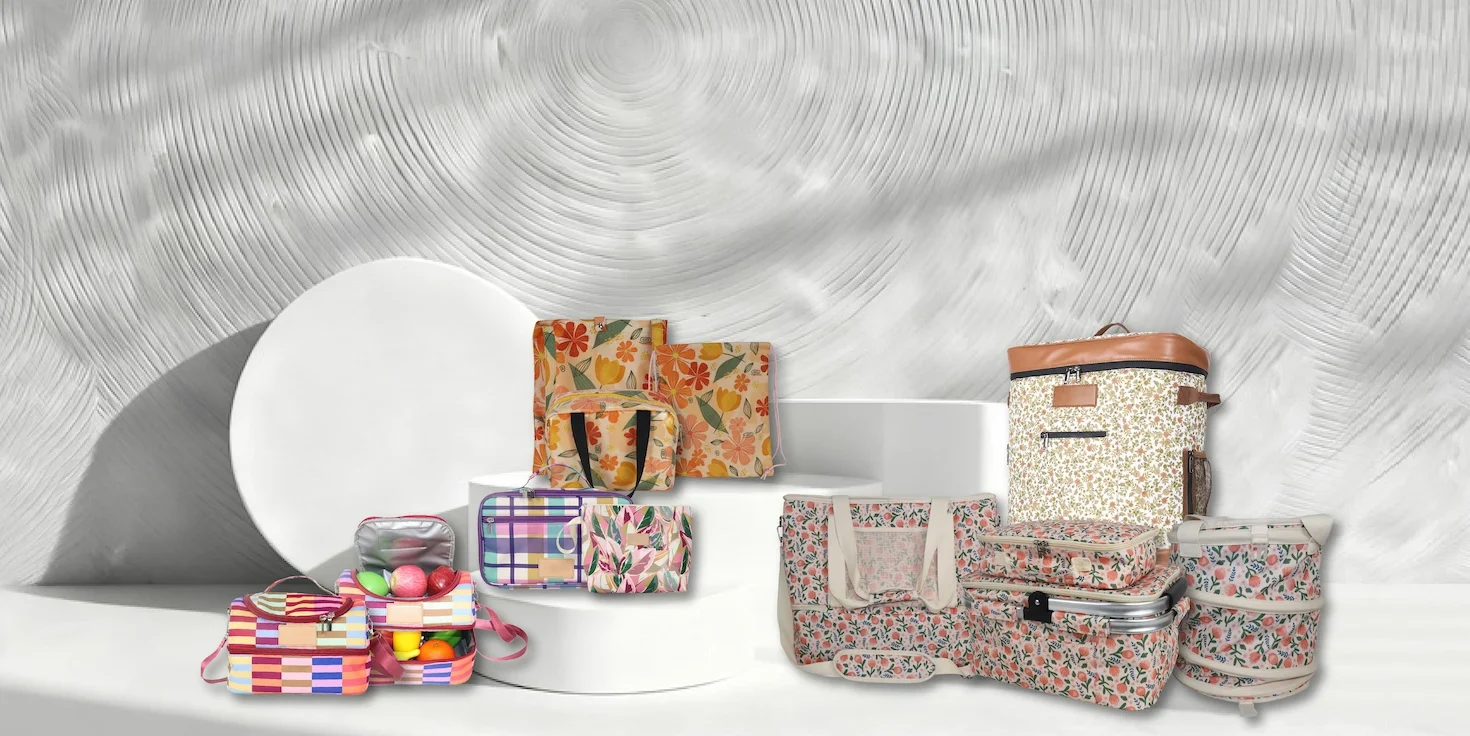
The global bag market is no longer short of products. It is short of products that can win sustainably.
Across e-commerce platforms, wholesale channels, and cross-border markets, thousands of bags are launched every year. Most disappear quietly after a short sales cycle. Only a small number evolve into what the industry often calls a “breakout product” — a product that maintains demand, resists price erosion, and supports long-term brand growth.
This article examines how such products are identified and built from an industry perspective. It focuses on product selection logic, design differentiation, and factory collaboration, particularly within OEM, ODM, and custom manufacturing models. The intent is analytical rather than promotional, emphasizing structural insights rather than short-term tactics.
1. A Breakout Product Is a Structural Advantage, Not a Viral Accident
A true breakout product typically demonstrates four structural characteristics:
It solves a specific and recurring user problem
It embeds design or functional logic that is difficult to replicate
It can be manufactured consistently at scale
It supports brand extension, not just single-SKU revenue
This definition immediately reframes product selection. Instead of asking “what is selling,” the more relevant question becomes “what problem is being solved better than existing alternatives.”
2. Moving From Category Thinking to Purpose-Specific Thinking
- Backpack
- Tote bag
- Cooler bag
- Cosmetic pouch
Categories are saturated. Purposes are not.
Most sustainable breakout products in recent years have emerged from:
- Special-purpose bags and cases
- Purpose-specific bags
- Function-specific bags
- Specialty or particular-purpose carry solutions
Exclusive or restricted-use cases
These products are defined by use logic, not appearance. As a result, they are harder to compare purely on price and easier to position clearly in the market.
3. Product Selection Starts With Use Friction, Not Visual Design
Effective product selection analyzes:
- Where current solutions fail in real use
- What compromises users repeatedly tolerate
- Which functional needs remain underserved by general-purpose bags
User reviews, post-purchase feedback, and failure complaints are often more valuable than trend forecasts. Breakout products frequently emerge when a single function is executed exceptionally well, while non-essential features are reduced or modularized.
4. Why Function-Specific Bags Dominate Long-Term Performance
- Longer product life cycles
- Lower dependency on trends
- Clear differentiation and messaging
- Stronger word-of-mouth driven by utility
This explains the sustained demand for purpose-specific and specialty bags across medical, travel, security, outdoor, and professional use cases. These products are rarely developed without close collaboration between brands and OEM or ODM factories, because function must be engineered rather than styled.
5. Design Differentiation Is Structural, Not Decorative
Key design elements that create real barriers include:
- Internal structure and load distribution
- Material layering and composite logic
- Opening systems and access efficiency
- Compartment hierarchy and modularity
- Durability and stress-point reinforcement
These elements cannot be changed without redesigning the product fundamentally. This is why early collaboration with a Tailor-made Bag Factory, Bespoke Bag Factory, or Personalized Factory is critical when differentiation is a strategic goal.
6. OEM vs ODM: Selecting the Right Development Model
OEM (Original Equipment Manufacturing)
Best suited when:
- The brand already owns validated designs
- Product logic is mature and proven
- The priority is execution consistency and scalability
ODM (Original Design Manufacturing)
Best suited when:
- The concept is clear but execution is uncertain
- Structural or material innovation is required
- Functionality defines the product’s value
Many successful breakout products begin as ODM projects and transition to OEM once the design stabilizes
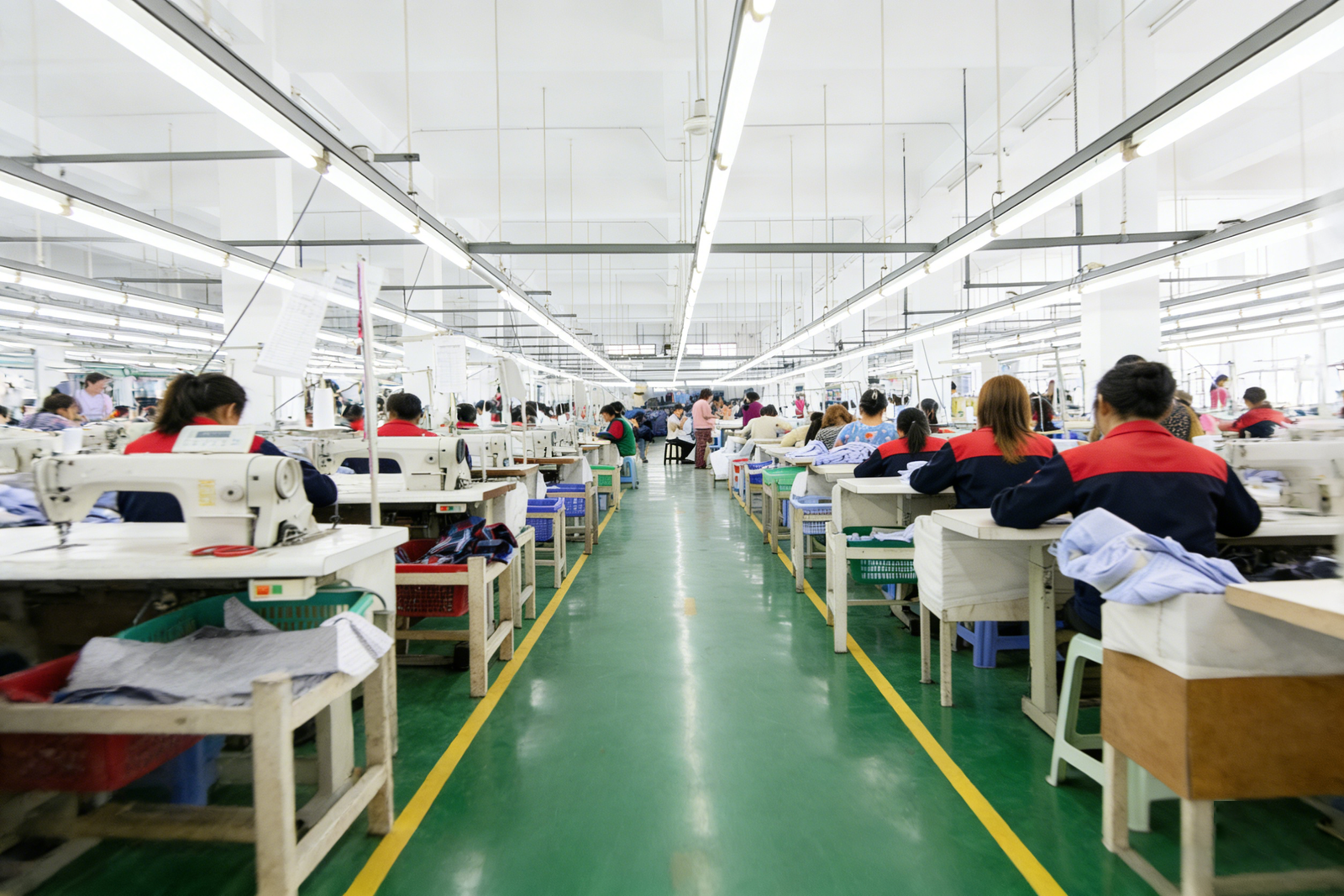
7. The Evolving Role of the Bag Factory
Modern breakout products require factories that function as:
- Product development partners
- Material integration specialists
- Process and structure designers
This applies across Bag Manufacturers, Bag-making Companies, Bag Producers, Bag Suppliers, and Wholesale Bag Manufacturers. Factories that merely execute instructions struggle to support innovation-driven products.
8. R&D Capability Determines Product Longevity
Factories with internal R&D capability can:
- Optimize materials over time
- Improve structure based on feedback
- Adapt products to new regulations or markets
- Support adjacent SKU development
This capability is especially important for special-purpose bags and cases, where performance expectations tend to increase rather than stabilize.
9. Customization as a Strategic Tool, Not a Feature
Collaboration with a Custom Bag Manufacturer, Customized Bag Factory, or Custom Printed Bag Factory enables brands to:
- Test micro-markets efficiently
- Validate new use cases
- Serve institutional or B2B demand
- Build modular product ecosystems
Customization, when integrated into product strategy, supports long-term brand resilience rather than short-term differentiation.
10. Brand Growth Depends on Product Explainability
- What problem does it solve?
- Who is it designed for?
- Why is it different from existing solutions?
Purpose-specific and function-specific bags excel here because the use case defines the product itself. This clarity improves conversion rates, content creation, influencer alignment, and wholesale discussions.
11. Scaling Without Diluting the Product Logic
Common causes include:
- Unvalidated material substitutions
- Feature creep that weakens core functionality
- Cost reductions that compromise performance
Factories with strong material control, engineering validation, and disciplined processes are better equipped to protect product integrity as volumes increase.
12. The Importance of Long-Term Factory Collaboration
Long-term collaboration with a Custom Brand Bag Factory or development-oriented manufacturer allows:
- Continuous improvement
- Controlled iteration
- Stable quality standards across seasons
This approach favors factories that understand OEM and ODM boundaries and operate with structured development workflows.
13. An Industry Reference for Development-Driven Manufacturing
This reference is included solely to illustrate how manufacturing capability influences product success when long-term development is prioritized over short-term volume.
14. Why Function Outperforms Fashion Over Time
Purpose-specific and specialty bags:
- Maintain relevance longer
- Generate repeat demand
- Support premium positioning
- Enable brand authority within niches
For e-commerce brands, DTC models, and cross-border sellers, function-driven products offer more stable growth paths than trend-dependent designs.
It requires:
- Purpose-driven product selection
- Function-first design logic
- The correct OEM or ODM development path
- Long-term collaboration with capable factories
- Viewing products as systems rather than individual SKUs
In a market saturated with bags, purpose is the most durable form of differentiation.
Brands that understand this — and align with manufacturers capable of continuous development — are far more likely to build products that not only sell, but endure.