The surge in demand for smell proof bags has flooded the market with aesthetically pleasing containers that often mask a fundamental engineering flaw: rapid carbon exhaustion. While a new smell proof weed bag black might perform flawlessly during its first week, the steep decline in adsorption efficiency after 90 days remains the primary reason for consumer dissatisfaction. Professional procurement requires a shift from evaluating surface materials to auditing the molecular density of the activated carbon lining.
1. The 3-Month Curse: Why Most Smell Proof Bags Lose Their Edge
1.1 Understanding Carbon Saturation in Smell Proof Weed Bags
Most entry-level smell proof weed bags utilize low-density carbon paper that suffers from premature saturation. Activated carbon functions like a molecular sponge, where Volatile Organic Compounds (VOCs) occupy microscopic pores until no vacant sites remain. Once these pores are filled, the smell proof bag weed ceases to function, effectively becoming a standard nylon pouch that allows odors to permeate through the zipper and fabric seams.
- Saturation Threshold: Low-grade liners often reach 95% capacity within 100 hours of continuous exposure to high-terpene botanicals.
- Pore Clogging: Micro-particles from the contents physically block the carbon’s access to airborne scent molecules.
1.2 The Difference Between Physical Barrier and Chemical Adsorption
A common misconception in the smell proof bags weed industry is that a thick fabric equals an odor-free experience.
- Physical Barriers: These include TPU coatings and heavy-duty polyester which merely slow down the rate of diffusion but cannot neutralize odors.
- Chemical Adsorption: This is the active process where the best smell proof bags utilize treated charcoal to chemically bond with scent molecules, stripping them from the air before they can escape.
2. Anatomy of an Activated Carbon Smell Proof Bag
2.1 Grade A vs. Grade C Carbon: The Invisible Quality Gap
The quality of the activated carbon smell proof bag is determined by the “Iodine Value” of the charcoal used. Grade A carbon features an intricate network of micropores, whereas Grade C carbon—often found in generic smell proof bags near me—is recycled or poorly activated, offering less than 30% of the surface area required for effective long-term filtration.
| Carbon Grade | Iodine Value (mg/g) | Expected Lifespan | Adsorption Rate |
| Grade A (Premium) | 1000 – 1200 | 9 – 14 Months | 99.8% |
| Grade B (Standard) | 600 – 800 | 4 – 6 Months | 85.0% |
| Grade C (Economy) | < 400 | 1 – 2 Months | 40.0% |
2.2 How Fabric Porosity Impacts the Lifespan of a Smell Proof Bag Weed
The outer shell of a smell proof bag weed acts as the first line of defense. High-porosity fabrics allow ambient air to enter the carbon layer constantly, forcing the carbon to work against both internal odors and external pollutants. By sourcing 600D or 1680D high-density materials, manufacturers protect the carbon lining from unnecessary environmental load, effectively extending the product’s functional life.
3. The Culprits of Carbon Clogging: Moisture, Dust, and Residue
3.1 Why Your Best Smell Proof Bags Fail in High-Humidity Climates
Water molecules are the natural enemy of a smell proof bags lining. In humid environments, water vapor competes with scent molecules for space within the carbon pores. Once the carbon becomes damp, the capillary action causes the pores to collapse, leading to a permanent loss of efficacy in even the best smell proof bags.
- Hydroscopic Rivalry: Water molecules are smaller and more polar, often displacing larger terpene molecules.
- Fungal Risk: Damp carbon can harbor mold, introducing new unpleasant odors into the storage environment.
3.2 How Essential Oils from Smell Proof Bags Weed Permanently Damage Linings
Direct contact between botanicals and the lining is a “death sentence” for the carbon. The essential oils and resins found in smell proof bags weed are heavy liquids that coat the carbon fabric, creating a non-permeable layer. This physical coating prevents gas-phase adsorption, rendering the activated charcoal useless regardless of its original grade.
4. Market Comparison: Analyzing the Cookies Smell Proof Bag Standard
4.1 Design Logic vs. Filtration Efficiency: What Professionals Look For
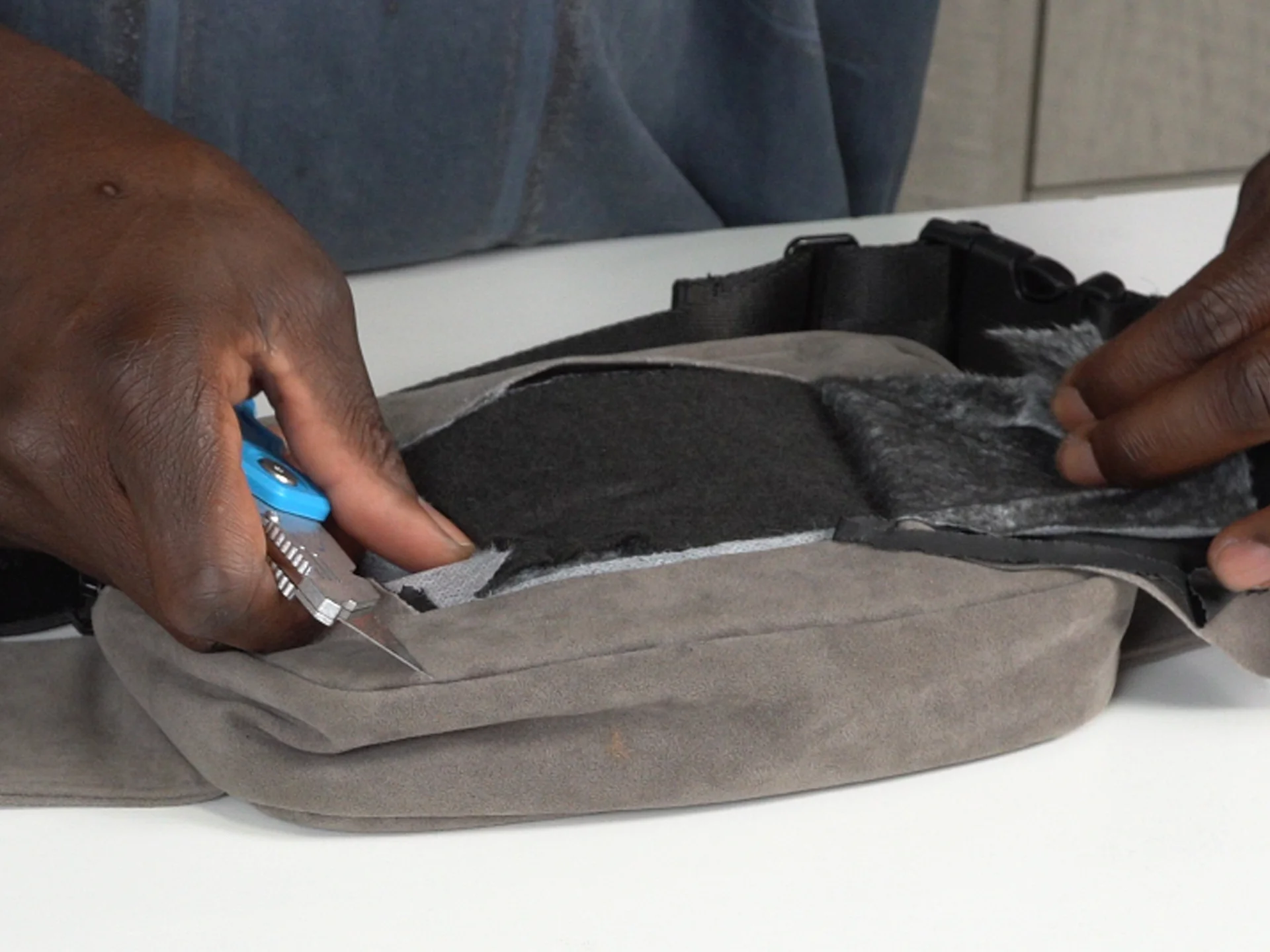
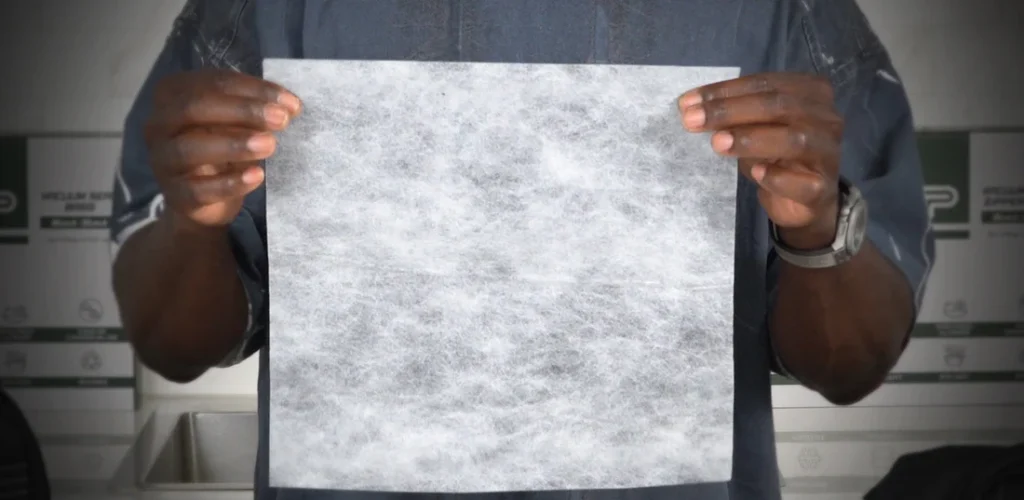
The Cookies smell proof bag has set a high bar for lifestyle-integrated storage, but professional buyers look deeper than the iconic branding. The design logic of top-tier brands often includes multiple carbon layers separated by non-woven fabric, which creates a staggered filtration system that prevents a single point of failure.
4.2 Is It Just Branding? Comparing High-End Totes with Generic Smell Proof Bags Near Me
When comparing premium options with generic smell proof bags near me, the difference lies in the seal integrity. Generic bags often use standard nylon zippers which are porous at a microscopic level. Premium brands invest in heat-sealed waterproof zippers and double-flap closures to ensure that air is forced through the carbon filters rather than leaking through the mechanical teeth of the fastener.
5. Professional Durability Test: The Firedog Smell Proof Bag and Its Competitors
5.1 Evaluating Heavy-Duty Zippers and Airtight Seams
In a head-to-head durability test, the Firedog smell proof bag often outperforms rivals due to its focus on mechanical longevity.
- Zipper Cycle Tests: High-quality bags must survive 5,000+ open/close cycles without the teeth misaligning or the airtight coating peeling.
- Seam Tensile Strength: Using reinforced cross-stitching prevents the carbon fabric from pulling away from the outer shell, which is a common failure point in “90-day” bags.
5.2 Laboratory Insights: Measuring Carbon Density Over 90 Days of Use
Controlled laboratory tests show that lower-tier smell proof bags lose 70% of their adsorption capacity by day 60. In contrast, heavy-duty competitors maintain over 85% capacity by using multi-layer carbon felt (up to 4mm thickness) rather than thin carbon-sprayed paper.
- Weight Metric: A high-quality bag should feel slightly heavier due to the density of the carbon lining.
- Gas Chromatography: Testing the headspace of the bag after 90 days reveals whether the carbon is still active or merely acting as a passive fabric wall.
6. Aesthetic vs. Function: The Surge in Smell Proof Weed Bag Black
6.1 Why Black Fabrics Are the Industry Standard for Light-Sensitive Storage
The dominance of the smell proof weed bag black is not merely a fashion choice. Black 1680D polyester or ballistic nylon provides total light opacity, which is crucial for preserving the chemical integrity of the contents. UV rays can degrade stored botanicals and prematurely age the internal adhesives used to bond the carbon lining.
6.2 Sourcing Smell Proof Weed Bag Black Deals Without Sacrificing Quality
Finding smell proof weed bag black deals requires a careful eye for hidden cost-cutting measures.
- Check the Lining: “Deals” often use carbon-coated mesh instead of a solid carbon felt layer.
- Hardware Audit: Look for branded zippers (like YKK or SBS) which indicate a commitment to quality that extends beyond the fabric.
- Smell Test: High-quality black bags should not have a strong chemical or “factory” smell out of the box, as this indicates poor adhesive quality that might already be saturating the carbon.
7. Can You “Reset” a Dead Carbon Lining? The Science of Reactivation
7.1 Heat Treatment: Can a Hairdryer Save Your Smell Proof Bags?
A frequent search query is whether one can “reset” a saturated smell proof bags lining using heat. While industrial reactivation requires temperatures above 600°C, low-level home heat treatment can sometimes offer a temporary reprieve.
- Desorption: Using a hairdryer on a high-heat setting can force some trapped molecules to vibrate and release from the pores.
- The Risk: Excessive heat can melt the TPU waterproof layer or damage the internal glue, leading to a permanent structural failure of the smell proof bag weed.
7.2 The Limit of Regeneration: When It’s Time to Order New Wholesale Stock
Regeneration has a hard limit. Eventually, the pores become clogged with heavy molecules that cannot be removed via home methods. For B2B clients, identifying the “failure point” is essential for inventory rotation. If a customer reports scent leakage after 6 months, it is not a defect—it is the natural end-of-life for that specific carbon density.
8. Sourcing Standards 2026: Identifying Long-Life Manufacturers
8.1 Why 26 Years of Precision Manufacturing Prevents Early Failure
A duffel manufacturer with 26 years of experience understands that the secret to longevity lies in the bonding process. Traditional factories often use solvent-based glues that saturate the carbon lining during the assembly process, significantly reducing its lifespan before it even reaches the customer. Precision manufacturing utilizes heat-press bonding to keep the carbon pores open and active.
8.2 Testing Protocols: How a Duffel Manufacturer Ensures 12-Month Potency
Reliable factories implement a “Terpene Exposure Simulation” to guarantee at least 12 months of use.
- Oven Aging: Accelerating the lifespan by placing the bag in a 50°C environment to test adhesive stability.
- Scent Injection: Using high-concentration scent oils to verify the adsorption speed of a new wholesale smell proof bag batch.
9. The Impact of Sealing Technology on Carbon Longevity
9.1 Zippers vs. Roll-Tops: Which Protects the Carbon Best?
The sealing mechanism determines how much “unfiltered” air reaches the carbon.
- Waterproof Zippers: Provide a sleek look and good protection, but are vulnerable to over-packing.
- Roll-Tops: Often used in larger firedog smell proof bag models, these provide a more reliable mechanical seal, ensuring that air must pass through the carbon walls to escape.
9.2 The Role of TPU Coatings in Enhancing Best Smell Proof Bags
The best smell proof bags utilize internal TPU (Thermoplastic Polyurethane) coatings as a secondary vapor barrier. TPU is non-porous and highly flexible, unlike traditional PVC which can crack and leak. This coating ensures that the scent molecules are channeled directly into the carbon lining rather than leaching through the outer shell.
10. Conclusion: Margins Are Built on Durability, Not Just First Impressions
10.1 Why Investing in Quality Prevents The “Return Rate” Crisis
In the competitive landscape of smell proof weed bags, the return rate for products that fail within 3 months can bankrupt a retail brand. By investing in Grade A carbon and precision sealing, you ensure that the customer remains satisfied long after the “new bag” smell has faded. Durability is the ultimate form of marketing.
10.2 Final Checklist for Sourcing Smell Proof Weed Bags
- Density Check: Ensure carbon felt is used rather than carbon spray.
- Zipper Brand: Verify use of high-cycle waterproof zippers.
- UV Protection: Opt for high-opacity materials like smell proof weed bag black.
- Factory Heritage: Partner with manufacturers who have a proven track record in technical bag production.
Aimazing Bag specializes in the research and development and manufacturing of high-performance odor-resistant bags and functional luggage. With 26 years of industry experience, we provide the most durable OEM/ODM solutions for global brands, helping your brand stand out in the competitive market of 2026.